



Soundproofing a room cheaply is possible if you focus on the right materials, combine proven methods, and avoid the common mistakes that waste both time and money. Whether you want to block outside noise, reduce sounds escaping your space, or just make things quieter for work or sleep, this guide breaks down actionable options that actually work without breaking your budget.
Key Takeaways
- Weatherstripping and door sweeps provide the cheapest, fastest noise reduction for under $20 by sealing air gaps.
- Combining mass (drywall), damping (Green Glue), and airtight coverage is the most effective low-budget approach for walls.
- Avoid common DIY traps like acoustic foam, soundproof paint, and incomplete material coverage—they don’t actually block sound.
- The Core Concept: What Makes Soundproofing Effective?
- Step-by-Step Guide: How to Soundproof a Room Cheaply
- Advanced Analysis & Common Pitfalls
- Conclusion
- Frequently Asked Questions
The Core Concept: What Makes Soundproofing Effective?
Cheap soundproofing only works when you address three key principles: mass, airtight coverage, and damping.
Mass means adding heavy, dense layers—like 5/8″ drywall or mass loaded vinyl—to stop sound vibrations. Airtight coverage ensures there are no gaps or cracks for sound to sneak through. Damping (like Green Glue) absorbs vibration between layers, stopping energy transfer. Combining these three is how you maximize results, even with a tight budget.
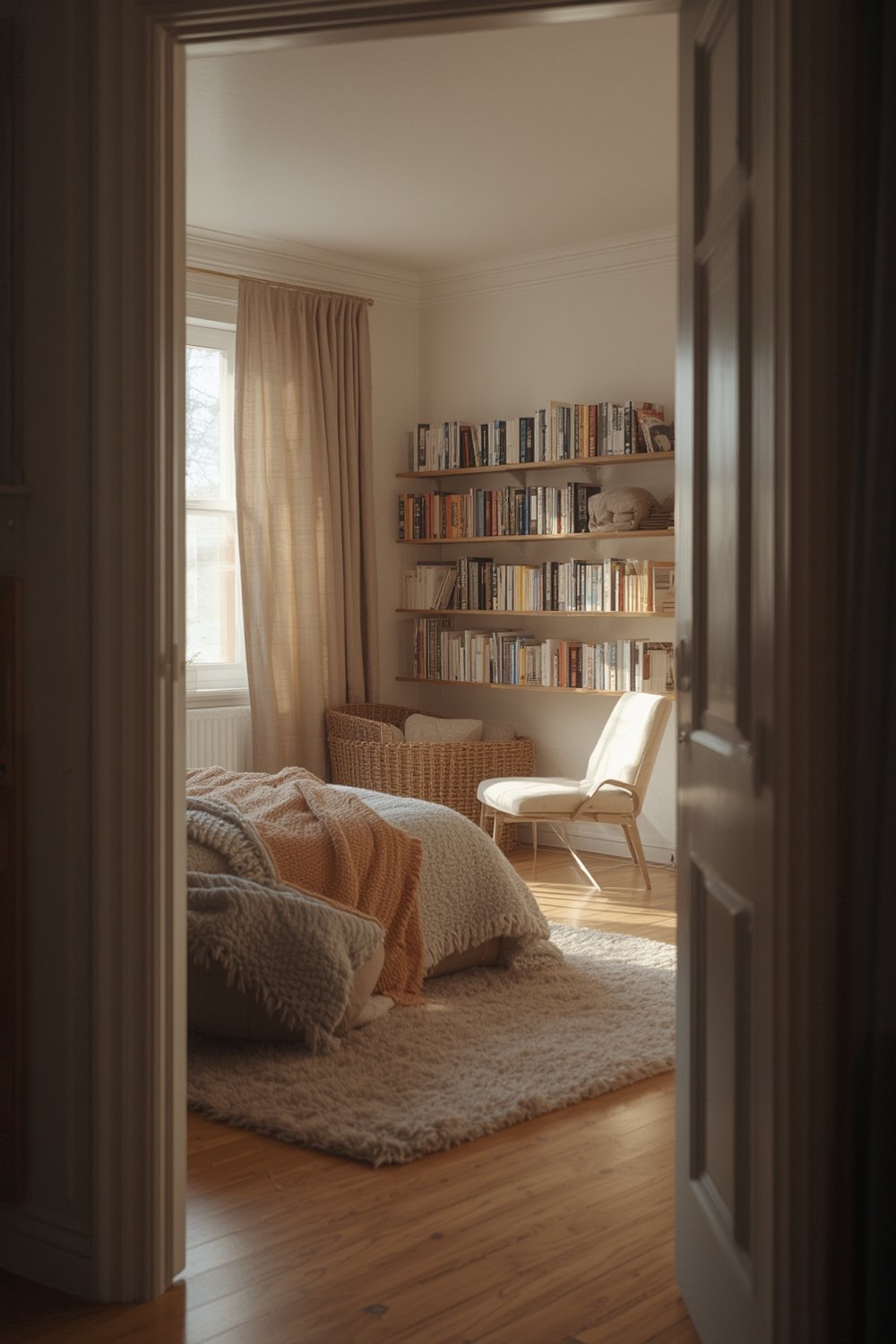
Single solutions—like just using foam—rarely work. Instead, focus on sealing air leaks (weatherstripping, door sweeps), then add loaded drywall with damping for walls. For renters, removable solutions like thick curtains or moving blankets give flexibility.
Most importantly, effective soundproofing always comes down to complete, airtight, and dense barrier creation. Missing a step or skimping on coverage dramatically cuts results and often leads to disappointment.
Step-by-Step Guide: How to Soundproof a Room Cheaply
Here’s exactly how to achieve the most noise reduction for the least cash. Tackle your doors and windows first—then, if needed, upgrade your budget to wall solutions without wasting money on ineffective materials.
Step 1. Seal Door Gaps and Windows
Doors and windows are the weakest points for noise leaks. Start by sticking weatherstripping foam tape around the door frame and stick-on U-shaped sweeps to the bottom. These typically cost less than $20 in total and can have a surprising effect (source).
Step 2. Add Heavy Curtains or Blankets to Windows
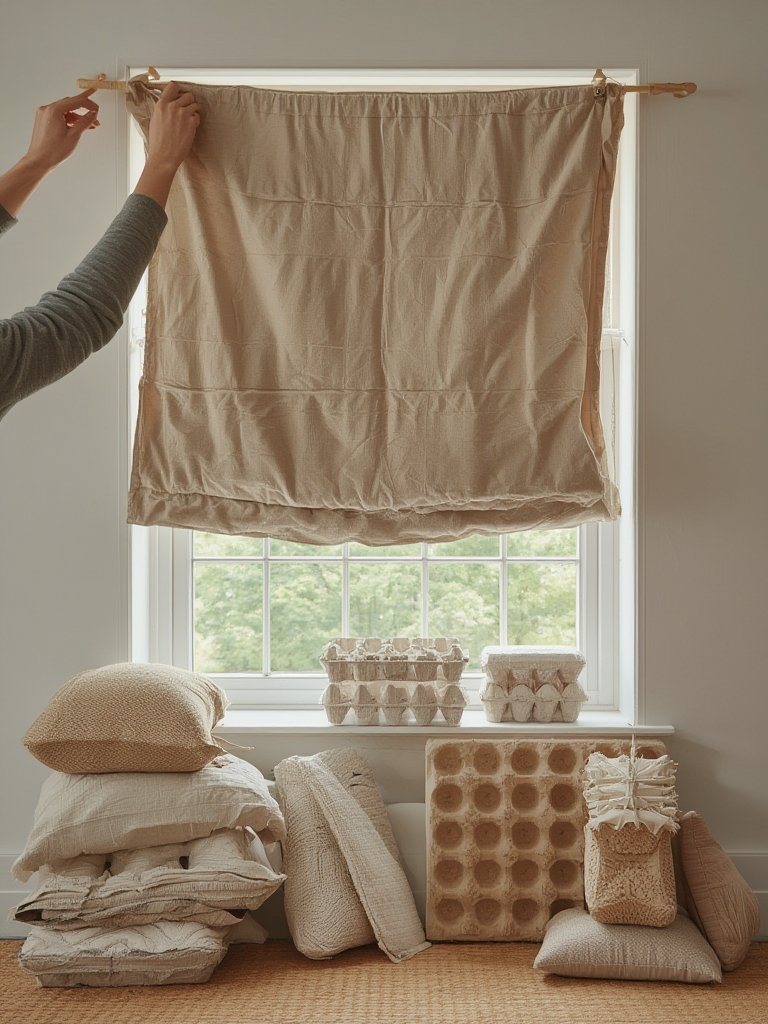
Use the thickest blackout curtains you can find, mounted floor-to-ceiling and wall-to-wall if possible. If you want a cheap alternative, hang moving blankets with curtain rings or hooks. Both block and absorb some sound, but remember they work best on high-frequency noise and will not stop bass or heavy traffic sounds.
Step 3. Address Air Vents and Outlets
Stuff foam weatherseal tape around wall outlets, and use custom vent covers if required (but always keep fire safety and ventilation needs in mind). Even tiny cracks let a lot of noise through, so be meticulous here.
Step 4. For Walls: Combine Green Glue and 5/8″ Drywall (Best Budget-Effective Method)
If you own your place or have landlord approval, screw a new layer of 5/8″ drywall over your existing walls, using Green Glue between the layers (about $470 material cost for a big wall; see full cost breakdown). This powerful combination dampens vibration and stops sound transfer—much more effective than foam or panel add-ons.
For tighter budgets, focus just on the “noisiest wall” or the shared wall next to the loudest neighbor.
Step 5. Temporary Renter-Friendly Fixes
If you can’t make permanent changes, invest in removable acoustic panels with magnetic or hook-and-loop mounting, or use large, heavy curtains across entire walls for a reversible sound ‘mask’. You can find more creative home improvement ideas in the Home Improvement Landscape guide.
Always remember: Skipping any air leaks is a waste. Complete, sealed coverage wins every time—not expensive gear.
Advanced Analysis & Common Pitfalls
Most DIY soundproofing projects fail because people confuse soundproofing with sound absorption, choose weak materials, or miss small details that undo all their effort.
Here’s a quick head-to-head comparison of common cheap soundproofing approaches, including real costs, ease, and effectiveness:
| Method | Material Cost (30×8 Wall) | Installation Difficulty | Best For | Notable Limitation |
|---|---|---|---|---|
| Weatherstripping + Door Sweep | <$20 | Very Easy (1–2 hours) | Door gaps, air leaks | Minimal overall noise reduction |
| Moving Blankets (temporary) | $50–$200 | Easy (same day) | Temporary setups, practice spaces | Requires anchoring; not permanent |
| Mass Loaded Vinyl + Drywall | $1,120 | Moderate (2–3 days) | Wall installation, moderate budgets | Requires wall surface access |
| Green Glue + Drywall | $470 | Moderate (2–3 days) | Existing drywall surfaces, cost-conscious | Requires damping application precision |
| RSIC Clips + Drywall | $300–$600 (clips + drywall) | Difficult (3–5 days) | Decoupling walls, better results | Requires professional installation for optimal results |
| Thick Curtains | $100–$300 | Easy (1 day) | Windows, temporary solutions | Partial sound absorption only |
Common Pitfalls & Real-World Problems:
- Acoustic foam and soundproof paint are nearly useless for blocking noise (source). Don’t waste your budget here.
- Leaving any gaps or air leaks will make even expensive material upgrades ineffective. 100% coverage matters most.
- Trying to DIY advanced solutions (like RSIC clips and hat channels) often fails unless you’re experienced. Bad installs can cut their effectiveness in half (see video guide).
- Missing permission or not checking local building codes can get you in trouble if you’re renting or in a condo. Always read your lease and look up relevant home improvement restrictions.
- Cheap, quick fixes like weatherstripping offer big value on a budget but won’t block thumping music or freeway noise. Know their limits.

For a deep dive on comparing professional versus DIY upgrades, and to see more about equipment rebate programs, visit our detailed guide on heat pump water heater rebates.
Thinking about combining energy upgrades? Explore how DIY soundproofing and sustainable living intersect in our DIY solar generator plans article.
Conclusion
You don’t need to spend thousands to improve your space—just focus on sealing gaps with weatherstripping, layering mass and damping for walls, and following landlord guidelines for non-permanent fixes. The most cost-effective option remains combining Green Glue with 5/8″ drywall. However, moving blankets, door sweeps, and heavy curtains give immediate results at the lowest possible price.
If you’re ready to start soundproofing a room cheaply, pick the best options for your budget and space from this guide and get started today. For more renovation and smart home tips, check out our article on AI-powered smart thermostats.
Frequently Asked Questions
Can I soundproof a room for under $50?
Yes, sealing door gaps with weatherstripping and using moving blankets or heavy curtains can cost less than $50 and will noticeably reduce airborne noise leaks. However, blocking loud music or structural noise usually requires more investment in mass and damping.
Is acoustic foam worth it for soundproofing?
No, acoustic foam is only effective for reducing echo and controlling room acoustics. It does not block outside noise or prevent sound from entering or escaping your room (source).
Can renters soundproof without breaking the lease?
Yes, focus on removable solutions such as weatherstripping, thick curtains, and moving blankets. Avoid anything that requires drilling, adding drywall, or permanent construction unless you have written landlord approval.
How do I know if my soundproofing has worked?
A simple test is to stand outside your room with loud music playing inside, then compare before and after installing your fixes. Smartphone decibel apps can show the difference, but the most important result is whether the noise that bothers you has dropped to a tolerable level.
What’s the difference between soundproofing and sound absorption?
Soundproofing blocks sound from entering or leaving a space by adding dense, airtight barriers. Sound absorption, by contrast, controls echoes and reverb inside the same space but doesn’t block external noise.