



Smart thermostat with AI technology is transforming home energy management, providing real-world savings, deep insights, and convenience that goes well beyond standard digital thermostats. If you’re considering this upgrade, you’ll want to know exactly what to expect in 2024 and 2025—both the benefits and the potential pitfalls.
Key Takeaways
- Energy savings with AI thermostats in 2024–2025 reach 10–30 percent, fueled by adaptive learning and proactive control features.
- Advanced features like predictive scheduling, learning algorithms, and real-time sensor data set AI thermostats apart—but setup and expectations matter.
- Actual performance depends on installation, integration, and user habits—knowing potential issues avoids disappointment.
- What Is a Smart Thermostat with AI and Why Should You Care?
- Getting Started: Step-by-Step Guide for Maximum Results
- Advanced Analysis and Common Pitfalls
- Conclusion
- FAQ
What Is a Smart Thermostat with AI and Why Should You Care?
Smart thermostats with AI use machine learning and real-time sensors to automatically adjust your home’s heating and cooling systems for maximum efficiency and comfort. They analyze how you use your space, monitor occupancy, and respond to external factors like weather or electricity pricing—optimizing HVAC performance in ways manual controls or basic programmable models cannot match.
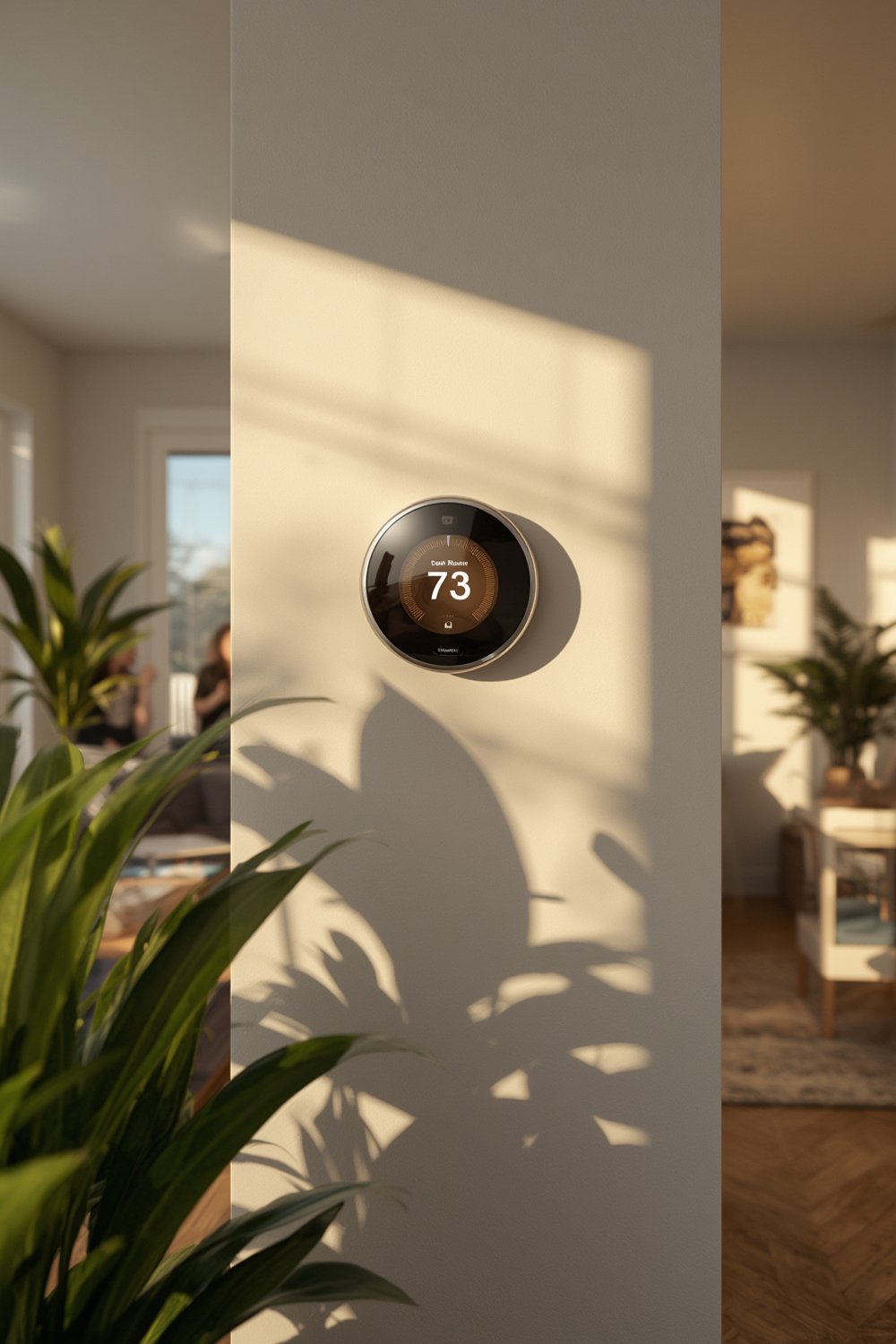
In 2024 and moving into 2025, AI-driven smart thermostats typically deliver 10-30 percent savings on heating and cooling costs. Real-world studies suggest average U.S. homes see annual savings between $50–$140, depending on climate and usage, as reported by Energy Star and market researchers (source, source). This efficiency comes from features like predictive scheduling, adaptive learning, and automatic occupancy detection—far beyond what basic Wi-Fi thermostats offer.
Adoption is rising rapidly, with global smart thermostat market value expected to reach nearly 6 billion USD in 2025. These devices are part of a broader shift toward connected, proactive home energy systems. Want to make your home even greener? Pairing a smart thermostat with DIY solar generator solutions can compound your savings and build energy independence.
Getting Started: Step-by-Step Guide for Maximum Results
Ready to get the most out of your smart thermostat with AI? Follow these practical steps—each one will boost both savings and comfort.
- Choose a proven smart thermostat with AI features. Look for adaptive learning, room/occupancy sensors, and easy integration with your home’s Wi-Fi. While model-level details fluctuate, prioritize well-known brands and recent models for firmware support. If you’re already upgrading other appliances, see if you can coordinate this with heat pump water heater rebate programs for maximum efficiency.
- Enable Wi-Fi and system integrations. Make sure your device connects to your home network. This is essential for real-time learning, remote control, and utility/energy price adaptation. Some setups may also link with smart speakers for voice control.
- Install and place sensors strategically. Place motion, humidity, or temperature sensors where you spend most of your time. Living rooms, bedrooms, and areas prone to temperature swings work best. Good placement allows AI to better “understand” true occupancy and tailor comfort.
- Input an initial schedule—but allow the AI to adapt. Enter your roughly expected routines for the first week, then monitor how the thermostat adjusts. Regular interference can slow down or confuse learning algorithms, so let it run for a bit.
- Check energy usage reports weekly. Most AI thermostats now provide real-time energy data and cost projections. Use these reports to spot trends and adjust habits—especially during peak heating or cooling seasons.
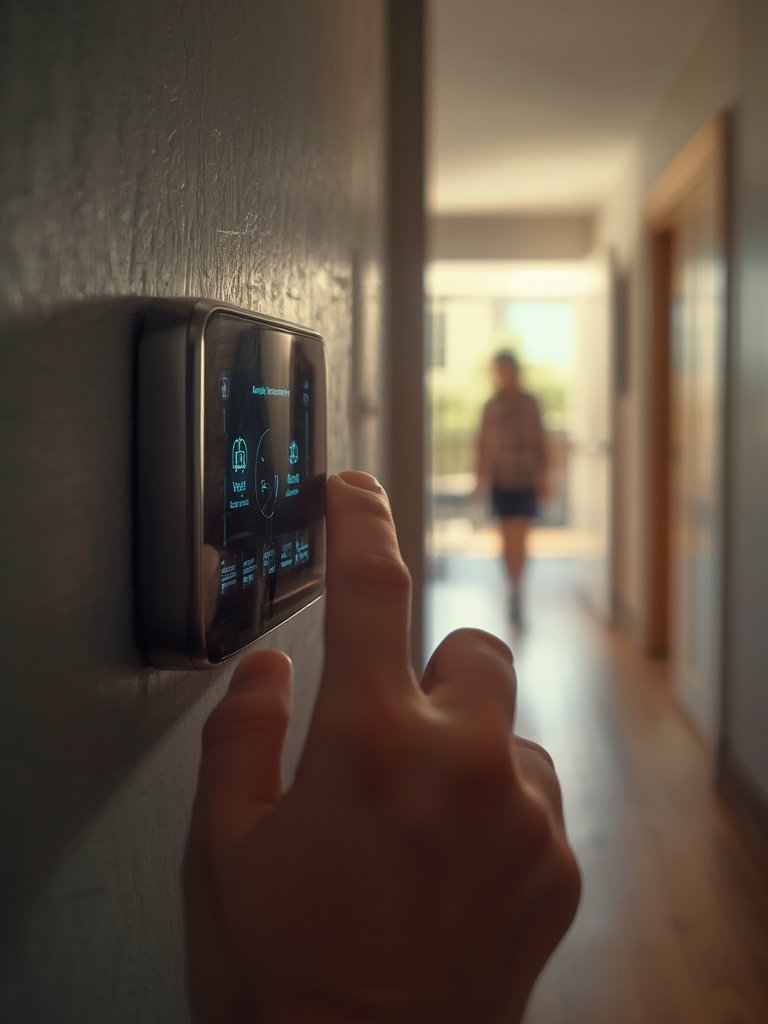
If you want your smart thermostat to play nicely with broader home improvements, review tips from our home improvement landscape guide and consider mapping your home’s zones for the best multi-room coverage. This step is especially important for larger homes or spaces with uneven heating/cooling.
Advanced Analysis and Common Pitfalls
While the energy savings and automation sound great, a smart thermostat with AI is not always seamless. It’s important to address the most realistic challenges and common pitfalls to manage expectations—and avoid disappointment.
Potential Pitfalls All New Owners Should Consider
- Learning curves & patience required: AI features need a week or more to accurately model your usage. Frequent manual overrides confuse algorithms, leading to less-than-expected savings at first.
- Sensor misplacement limits effectiveness: If sensors are installed in rarely used rooms or areas with drafts/direct sunlight, the AI may make bad assumptions—leading to overuse or discomfort.
- Compatibility & integration glitches: Some existing HVAC setups may not fully support the most advanced AI features out of the box. Poor Wi-Fi connection or lack of certain sensors can limit adaptive scheduling and learning.
- Lack of transparency on support/warranty: Most 2025 models prioritize affordability, but don’t always make long-term warranty terms or required subscription fees obvious. Read the fine print before you buy.
- Price and cost confusion: General market data projects falling prices, but there is little transparency about precise initial costs, subscription fees, or warranty coverage (source). Buyers should expect to invest moderately upfront for proven brands.
| Aspect | Available Data Insight (2025) |
|---|---|
| Initial Purchase Cost | Undetailed; affordability noted as a driving factor, but not all models are transparent about pricing. Learn more |
| Subscription Fees | No recurring service fees mentioned in most 2025 reports. Always double-check vendor terms prior to purchase. |
| Warranty Coverage | Warranty terms are rarely detailed in public data. Consult official support pages for each brand. |
Feature Deep Dive: What Distinguishes the Best AI Smart Thermostats in 2025?
- Learning/adaptive algorithms: Devices use historical schedules, occupancy, patterns, and external data to auto-adjust HVAC in real time.
- Predictive analytics: AI can forecast likely usage and preemptively adjust settings, reducing waste and peaking savings at key times.
- Sensor-driven automation: Real-time motion, humidity, and temperature data, sometimes integrating with utility pricing or weather feeds for dynamic control.
- Anomaly detection/predictive maintenance: Advanced AI models now flag when your HVAC system might need service, preventing breakdowns and extending lifespan by 20–40 percent (source).
- Renewable integration: Some upcoming models feature smart controls for solar or battery systems, driving even bigger energy savings and potentially supporting grid response features.
What’s Coming for Late 2024 and 2025?
Expect further advances in predictive, sensor-driven AI—and an explosion of smart home features that tie into city-wide demand response and renewable integration. If you’re interested in maximizing these trends alongside your AI thermostat, check out our DIY solar generator guide and be ready for compatibility updates as the smart home ecosystem expands.
Conclusion
If you’re looking for real savings, adaptability, and forward-looking smart home integration, a smart thermostat with AI can be a stellar investment for 2025 and beyond. You may need some patience at first, but most households save significantly and gain new insight into daily energy use—especially when you follow best practices and understand the pitfalls.
Ready to start? Compare options, evaluate your home’s needs, and see how adding a smart thermostat with AI fits into your holistic home improvement plans. For even better energy management, explore our tips on finding the best landscaping services and check if you’re eligible for a heat pump water heater rebate to multiply your home’s efficiency upgrades. Start saving, stay in control, and future-proof your comfort—today.
FAQ
How much money can a smart thermostat with AI really save in a typical home?
Most U.S. homes can expect savings around 10–30 percent on heating and cooling, with $50–$140 annual savings typical depending on climate, home size, and existing HVAC system. These figures come directly from Energy Star and industry studies in 2024–2025.
Is it difficult to set up or maintain an AI smart thermostat?
Basic setup is often straightforward, but you’ll get the best results by carefully placing sensors and connecting the thermostat to strong Wi-Fi. Expect to spend 1–2 hours on installation. Updates and occasional monitoring are recommended for continual AI improvement.
What are the most common complaints or problems with AI smart thermostats?
Main issues include initial learning curve, sensor misplacement, or glitches from poor Wi-Fi connections. Some users also find warranty terms or subscription details unclear, so always read vendor details before purchase.
Can AI thermostats work with other smart home or renewable energy systems?
Yes, newer models increasingly integrate with solar generators, smart speakers, and even utility demand-response programs. If you’re interested in maximizing ROI, consider tying your thermostat into a broader energy management or DIY solar generator setup.
Do I need to pay for a subscription to unlock full AI features?
Most current models do not require recurring fees for core AI features, but it’s always wise to verify this before choosing a device. Some brands or advanced analytics may require premium services, so examine each model’s pricing breakdown.