



small outdoor sofa buyers want to maximize relaxing space on a tiny balcony or patio, but often end up with uncomfortable seating or products that deteriorate quickly. The right choice can transform a cramped exterior into an inviting place to enjoy the outdoors without wasting a square inch.
Key Takeaways
- Smart small outdoor sofa selection balances comfort, weather resistance, and exact fit for your balcony or patio layout.
- Most user complaints stem from poor seat depth, fading cushions, misleading dimensions, or overlooked walkway clearances.
- Trends in 2024 point to modular, low-maintenance, and storage-friendly sofas designed for micro-spaces—not just traditional backyards.
- The Core Concept: What Makes a Great Small Outdoor Sofa?
- Step-by-Step Guide: How to Choose and Set Up a Small Outdoor Sofa
- Advanced Analysis & Common Pitfalls
- Conclusion
- Frequently Asked Questions
The Core Concept: What Makes a Great Small Outdoor Sofa?
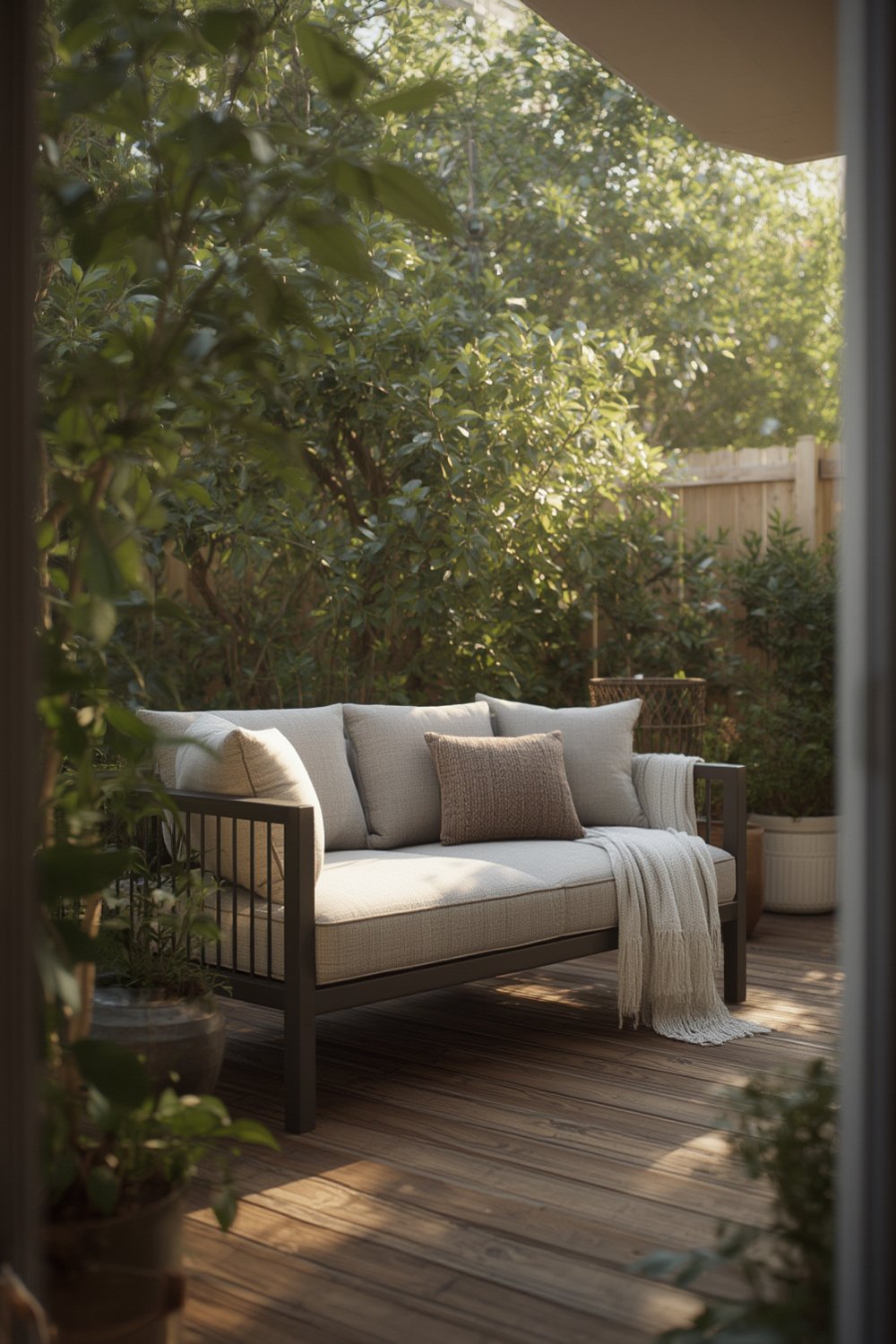
Small outdoor sofas are purpose-built seating for balconies, porches, and petite patios, offering comfortable lounging without overwhelming limited square footage. They are a subset of the booming outdoor furniture market, catering directly to urban and small-home dwellers. With the 2024 global outdoor furniture market valued over USD 50 billion and residential categories driving growth, demand for compact, weather-resistant sofas is surging.
The challenge isn’t just finding a sofa that fits—nearly every model promises “compact” or “small-batch” sizing. The reality is, most buyers misjudge actual fit, comfort, and weather resistance. Generic measurements often hide a lot: arm thickness eats up usable seating; compact frames mean shallower, less comfortable seats; and cushion quality varies widely between budget and mid-range price points. In short, the “perfect small outdoor sofa” balances real comfort, proven weather resilience, and a detail-perfect fit for your exact available space.
Step-by-Step Guide: How to Choose and Set Up a Small Outdoor Sofa
- Measure Your Space Precisely
- Measure both the total floor area and usable space after accounting for doors, railings, or fixed planters.
- Don’t forget to include door swing or sliding track clearance.
- Determine Ideal Sofa Dimensions for Your Area
- If your balcony is 100–120 cm (40–48 in) deep, target a sofa depth of 65–70 cm (26–28 in) to keep at least 50–60 cm for walkways. Most compact loveseats are 110–135 cm (43–53 in) wide.
- Choose a Material and Build Type That Matches Exposure
- Partially covered space: Aluminum frames with high-quality PE rattan or aluminium slats and solution-dyed fabric cushions.
- Fully exposed location: Premium powder-coated aluminum, teak with acrylic cushions, or resin/plastic for low maintenance. Prepare for cover-up or cushion storage in wet months.
- Assess Cushion and Frame Quality Before Buying
- Look for minimum 3 in thick, solution-dyed fabric cushions with quick-dry foam.
- Frame joints should be welded or bolted with stainless hardware on mid-tier and premium options.
- Prioritize Comfort and Flexibility
- Check seat depth: minimum 45–50 cm (18–20 in) for upright sitting; over 55 cm (22 in) is better for lounging if you have the space.
- Consider modular sets, armless designs, or integrated storage for true micro-space adaptability.
- Plan for Off-Season Storage and Maintenance
- Does your chosen model offer covered or under-seat storage for cushions?
- Is there room to bring cushions inside, or will you use breathable storage bags on the balcony?
- Final Setup: Placement & Safety
- Position the sofa so it doesn’t block entryways or access to doors/windows.
- For high-rise balconies, check with your HOA or building for any weight, height, or fire safety rules—especially if using wood bases or placing near grills or heaters.
- Bonus: Add Micro-Scale Comfort Features
- Floating shelves, wall planters, or slim side tables maximize utility without sacrificing movement.
- Lightweight, open-leg designs with low backs help keep tight spaces feeling larger.
Advanced Analysis & Common Pitfalls
Even careful buyers run into recurring problems when choosing a small outdoor sofa. Years of review mining and industry analysis show that comfort, fit, and maintenance issues derail satisfaction far more often than buyers expect. Here’s what to watch out for—plus a side-by-side comparison to help you make smarter trade-offs.
| Pitfall | How It Happens | How to Avoid |
|---|---|---|
| Seat too shallow/uncomfortable | Prioritizing frame size over comfort; seat depth often under 45 cm | Verify seat depth; choose at least 45–50 cm (18–20 in) usable seat area |
| Misleading sofa size (smaller than it looks on listing) | Photos staged to look roomier; actual seat width reduced by thick arms/cushions | Compare overall width vs. real seating width; check for reviews mentioning fit |
| Cushion fading/mold | Low-cost, non-solution-dyed fabrics and slow-drying foam; left exposed during rain/peak sun | Select solution-dyed, quick-dry materials; store cushions or use rain covers |
| Rust or frame instability | Cheap powder-coated steel on exposed balconies; lightweight frames moving in wind | Choose aluminum or well-finished hardwood; inspect welds/joints before use |
| Sofa blocks walkway or door | Misjudging clearances; not accounting for out-swing door arc or essential traffic lane | Map out placement on the floor; always leave at least 50–60 cm for movement |
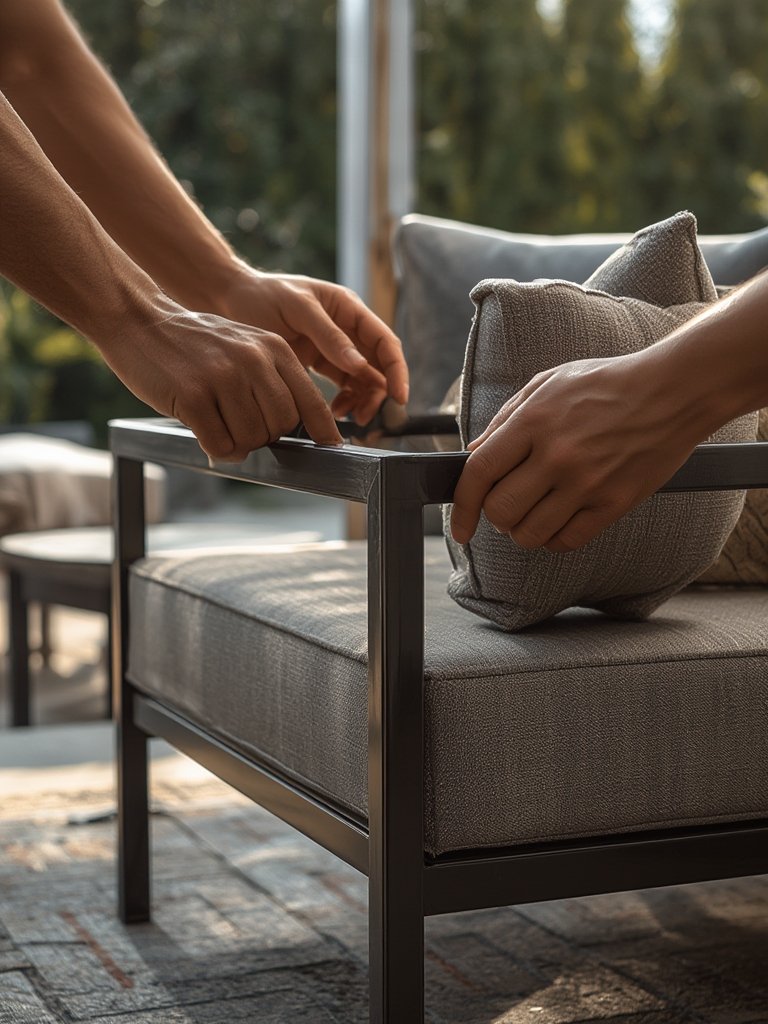
| Difficult assembly & short hardware lifespan | Misaligned holes or cheap bolts, especially on budget sets | Read customer assembly reviews; plan for extra tools/quality replacements if needed |
| No cushion storage/anchor | Compact designs often skip storage; cushions blow off or deteriorate outside | Pick models with built-in storage or plan protected cushion storage/cover solution |
In 2024, trends highlighted by Cognitive Market Research and Fortune Business Insights focus on modular, weather-adaptive builds and multi-functional features. But keep expectations grounded: “weatherproof” often means weather-resistant (not indestructible), and true multi-year durability demands routine maintenance, especially for budget builds.
For more inspiration on optimizing your space, see tips for modern patio furniture setups and the latest on caring for outdoor spaces.
Conclusion
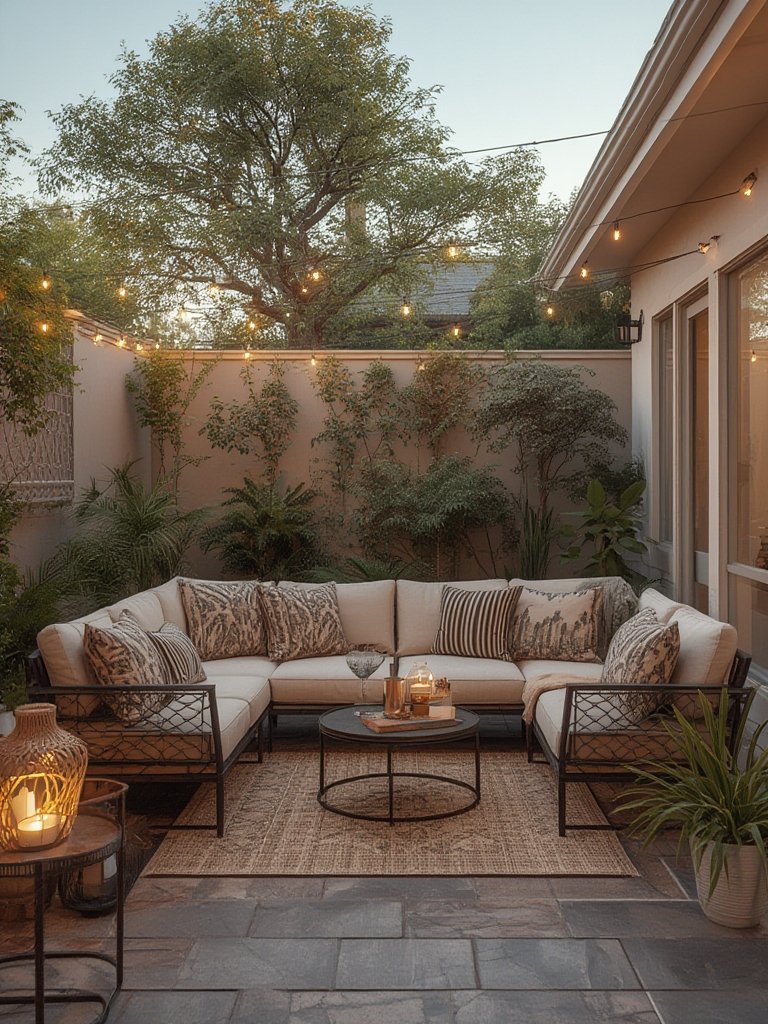
The right small outdoor sofa can unlock real indoor-outdoor living, even on a tiny patio or balcony. It’s not just about picking something labeled “compact”—it’s a careful balance of size, comfort, material, and smart layout planning. In 2024, modular Sectionals, clever storage features, and premium weather-resistant materials are making it easier to find a long-lasting, low-maintenance solution, but reading verified reviews and measuring repeatedly are essential steps. Start with careful floor marking and focus on sofas with clear seat depth, well-finished frames, and realistic cushion care expectations. Check out our resources on maintaining wood furniture and home improvement trends for more ideas to elevate your outdoor living. Your perfect small outdoor sofa is out there—measure well, choose wisely, and make your outdoor nook your favorite part of home. Ready to transform your tiny patio? Start planning today and enjoy every square inch outside.
Frequently Asked Questions
How deep should a small outdoor sofa seat be for comfort?
Look for a seat depth of at least 45–50 cm (18–20 in) if you want to sit upright comfortably. If you like to lounge, opt for even deeper—55–60 cm (22–24 in)—but only if your patio is deep enough to maintain a usable walkway.
Can I leave a small outdoor sofa outside all year?
Most small outdoor sofas are weather-resistant, not fully weatherproof. Fabrics and frames can fade, rust, or mildew if left out in harsh weather. Bring cushions inside or use quality covers, especially in winter or during long wet periods.
What materials last the longest on a small outdoor sofa?
Premium powder-coated aluminum frames and solution-dyed acrylic cushions (such as Sunbrella-class) offer the best long-term durability and colorfastness. Teak or other well-finished hardwoods are excellent but require some annual maintenance. Cheap steel or untreated wood will show wear faster if fully exposed.
How do I keep my small outdoor sofa from blowing away or moving in the wind?
Choose sofas with a heavier frame or design (wood or solid aluminum help). If you have a lightweight model, use weight bags, tie-downs, or push it against a wall/corner for added stability. Avoid placing it where wind can hit broad-side, especially on high-rise balconies.
What’s the best trick for maximizing seating on a tiny balcony?
Consider an armless design or a slim L-shaped modular set that can tuck into a corner. Under-seat storage models free up space, and combining the sofa with stackable stools or multipurpose ottomans lets you seat more guests when needed.