



Pioneer electric lawn mower 1920 value continues to spark curiosity among vintage equipment collectors, lawn care historians, and enthusiasts fascinated by early electric innovations. Understanding the Pioneer electric lawn mower 1920 value requires exploring its historical significance, original design features, and rarity in today’s collector market. This post dives into the rare history, technical characteristics, and restoration challenges that directly influence the Pioneer electric lawn mower 1920 value, helping collectors and researchers better assess these nearly forgotten electric machines.
Key Takeaways
- Pioneer electric lawn mowers from the 1920s are extraordinarily rare and lack detailed documentation or pricing data.
- Authenticating one is challenging due to missing serials, unclear features, and general scarcity of reliable information.
- Pioneer’s connection to US Patent 1,831,681 and abrupt production halt set it apart from more common vintage gas mowers.
- Pioneer Electric Lawn Mower 1920 Value: History and Relevance
- Inspecting and Appraising a Pioneer Electric Lawn Mower (1920s): Step-by-Step Guide
- Advanced Analysis and Common Pitfalls to Avoid
- Conclusion
- Frequently Asked Questions
Pioneer Electric Lawn Mower 1920 Value: History and Relevance
The quest to determine the value of a Pioneer electric lawn mower from the 1920s begins with limited facts but rich historical context. Produced briefly in the late 1920s and tied to US Patent 1,831,681, these early electric mowers stood out against the era’s gas-powered dominance.
Little is known about serial numbers or feature specifics, and production concluded rapidly—sources suggest a legal controversy over the patent contributed to its end. One surviving unit, reportedly still running with most of its original parts, was built in Louisville, Kentucky, highlighting Pioneer’s brief but intriguing history. Later, the company rebranded as Pioneer Gen-E-Motor Corp. (Pincor) and moved production to Chicago, shifting focus to a wider range of electric power tools and generators [source].
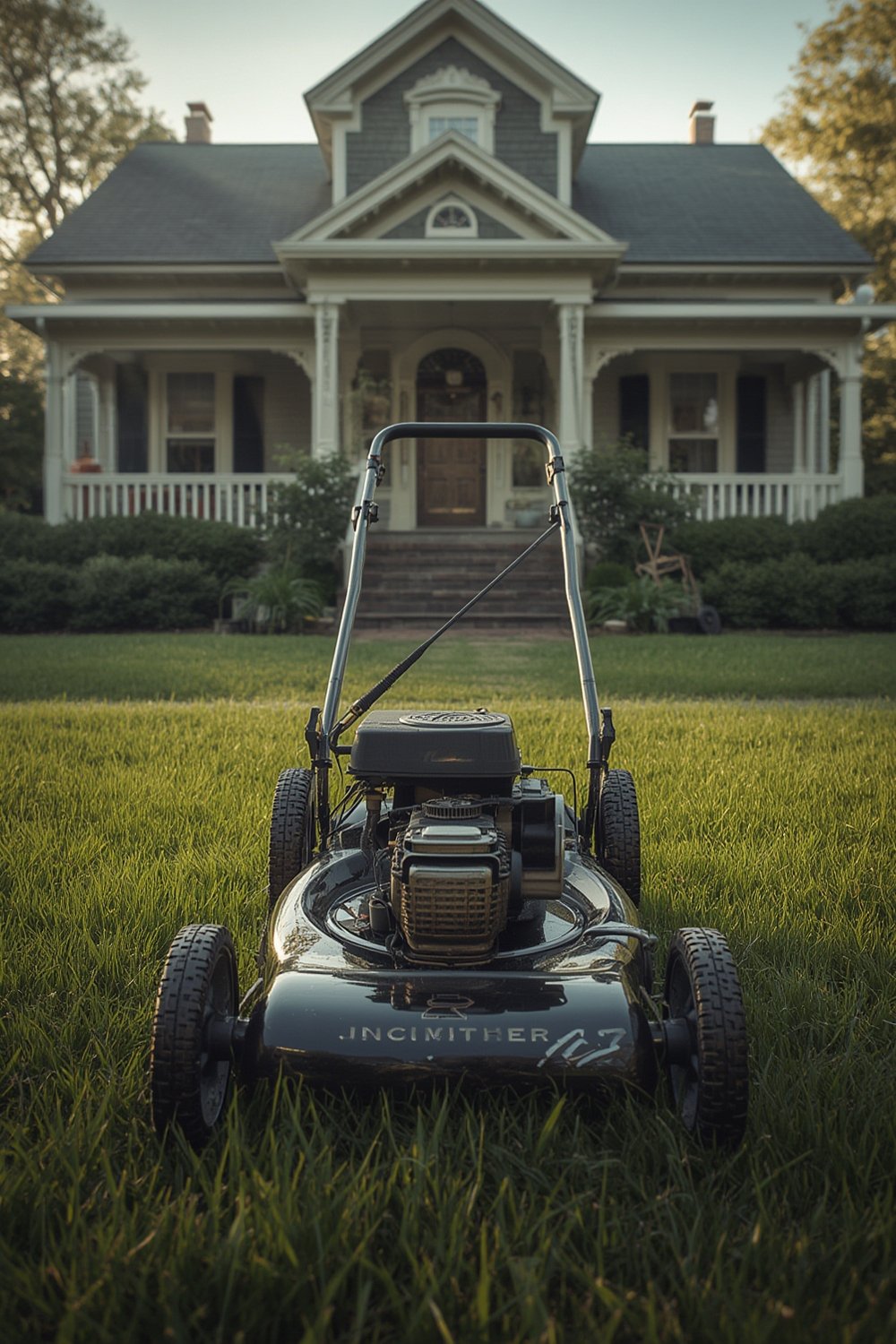
Documented data on production volume and model variations is absent. This uncertainty, paired with their conflict-stained manufacturing episodes, makes original Pioneer electric mowers enigmatic—and potentially valuable—to collectors comfortable with uncertainty. For enthusiasts interested in classic garden equipment, tools, and lawn care traditions, exploring these historical oddities can be as rewarding as searching for a top turf lawn care strategy or planning a new landscaping project.
Inspecting and Appraising a Pioneer Electric Lawn Mower (1920s): Step-by-Step Guide
Given the lack of serial numbers and distinguishing features, authenticating and estimating the value of an early Pioneer electric mower is no simple matter. Below is a clear, realistic process to follow if you come across what could be an original 1920s example:
- Research Provenance & Visual Appearance
Check for design elements matching other early 20th-century electric mowers—look for industrial lines, exposed wiring, and heavy metal construction. Compare any documentation to known Pioneer or Pincor branding.Key sources: Windsor Star vintage mower story and Joy of Mowing’s Pincor history.
- Check for Electric Versus Gas Engine
Confirm the mower is electric motor—not gasoline-powered. While Atco and Ransomes mowers from the period used Villiers or similar combustion engines,Pioneer’s electric motor concept was novel for the time. No serial standard is documented, so rely on mechanical construction and wiring cues. - Search Patent Numbers or Labels
Look for any stamped or cast references to US Patent 1,831,681. This is a crucial indicator. Consider consulting online mower forums like SmokStak’s vintage equipment threads for guidance or example images. - Assess Component Authenticity and Condition
Genuine 1920s mowers may have had maintenance or repairs over the last century. Prioritize original parts, handles, and main frame. Replacements (notably switches and plugs) will lower value but do not necessarily disqualify a find. - Scout for Documentation or Ownership Records
Any period bills-of-sale, manuals, detailed documentation, or family histories drastically improve confidence. Louisville, Kentucky, and Chicago, Illinois, public or company records are your best bet.
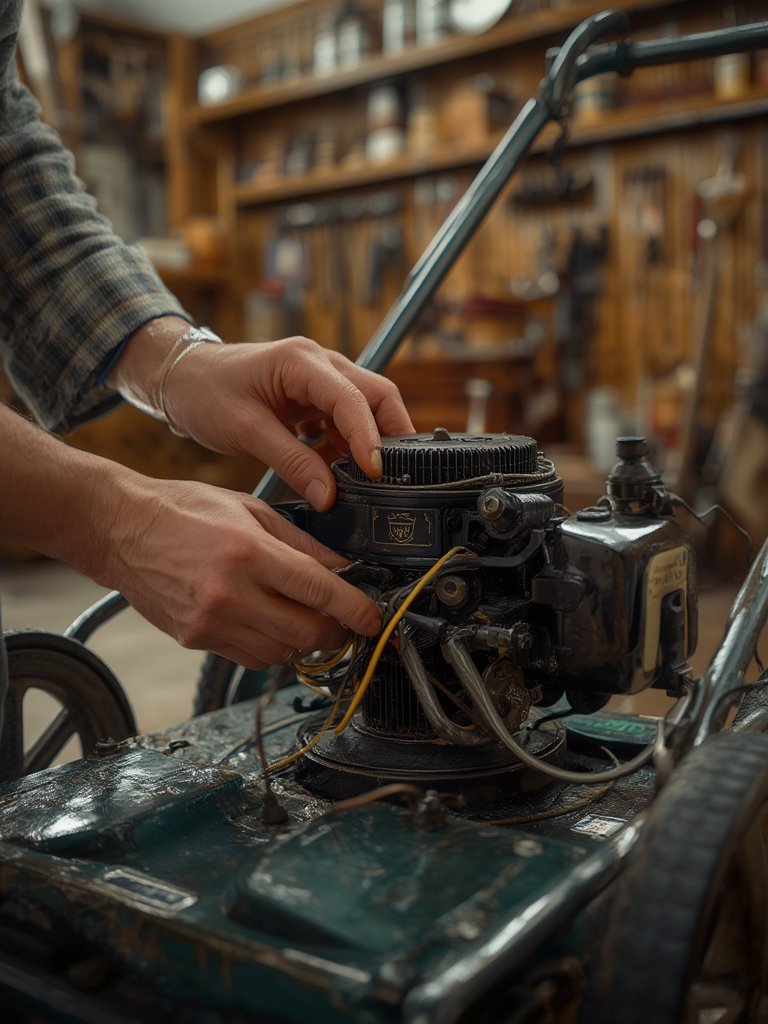
Due to missing precedent in price guides and auction history, appraising a Pioneer electric lawn mower’s 1920 value remains a subjective pursuit. It is wise to consult experts in vintage machinery, explore networks like the Old Lawnmower Club, and document every step of restoration or authentication.
If you’re interested in broader yard upgrade options, you might also find inspiration reviewing our guides to the best 25′ garden hoses or even planning a modern lawn mowing service for comparison.
Advanced Analysis and Common Pitfalls to Avoid
Both amateur and advanced collectors can fall into common traps when evaluating or restoring a Pioneer electric lawn mower from the 1920s, especially when attempting to determine the true Pioneer electric lawn mower 1920 value. The following issues most often affect authentication, pricing, and long-term collector value:
-
Unverifiable Origin: Original production records, serial numbers, and purchase documentation are rarely available, making accurate identification difficult and directly impacting the Pioneer electric lawn mower 1920 value.
-
Part Swaps and Retrofits: Many surviving units have undergone decades of repairs using modern or non-matching components—particularly switches and wiring—which can significantly reduce the Pioneer electric lawn mower 1920 value.
-
Patent Confusion: Limited access to patent documentation or missing patent markings complicates authentication, especially for buyers unfamiliar with U.S. Patent 1,831,681 and its technical relevance.
-
Market Illiquidity: With no consistent auction data or verified sales history, establishing a reliable Pioneer electric lawn mower 1920 value remains challenging and increases buyer risk.
-
Restoration Costs: Locating era-appropriate electrical components and qualified restoration experts is both time-consuming and expensive, often exceeding the mower’s market value.
-
Misleading Branding: Later “Pincor” machines produced by Pioneer Gen-E-Motor Corp. after the 1930s are far more common but hold little relevance when assessing the Pioneer electric lawn mower 1920 value of original models.
| Factor | Pioneer Electric Mower (1920s) | Other Vintage Gas Mowers (1920s) |
|---|---|---|
| Engine Type | Electric (rare, experimental) | Gasoline (common, Villiers, etc.) |
| Patent Tracing | US Patent 1,831,681, often missing | Usually none, or generic engine patents |
| Surviving Examples | Extremely rare | Occasional; Atco, Ransomes, etc. |
| Value Documentation | None publicly available | Some auction/sale records exist |
| Authentication Troubles | High due to lost records | Medium; more photo references exist |
| Restoration Difficulty | Extremely high | Challenging but more resources |

Links to authoritative forums and research sites are invaluable—especially SmokStak for discussions, and vintage appraisers or machinery specialists when verification is critical. Cross-checking with the historic shift to Pincor branding will help separate 1920s originals from later models.
Be wary of speculative valuations—which are often based more on rarity speculation than actual sales evidence. Instead, focus efforts on rigorous documentation, provenance, and expert opinion. This approach is similar to what professionals recommend in home improvement markets (see this resource).
Conclusion
Owning or appraising a vintage Pioneer electric lawn mower is both rare and complex, largely due to missing documentation and a silent collector market. Determining the true Pioneer electric lawn mower 1920 value often relies more on historical importance, originality, and display appeal than on verified monetary benchmarks. As a result, the Pioneer electric lawn mower 1920 value remains an open field for passionate collectors, historians, and early-technology enthusiasts to explore.
If you believe you own a Pioneer model or need help identifying another classic mower, consult period catalogs, collaborate with reputable appraisers, and remain vigilant about design details and electrical components. For more insights into lawn and garden equipment history, restoration challenges, and valuation guides, explore our related resources and subscribe for future updates.
Ready to dive deeper into restoration or research your own vintage equipment? Connect with a local historian or join a trusted collector community today.
Frequently Asked Questions
How rare is a 1920s Pioneer electric lawn mower?
Original Pioneer electric lawn mowers from the 1920s are extremely rare. Few documented examples exist, and most information about them comes from anecdotal collector stories and patent research.
Are there any identified serial numbers for early Pioneer mowers?
No serial numbers or unique feature lists for 1920s Pioneer electric lawn mowers have been confirmed in public or collector records.
How can I distinguish a Pioneer mower from a similar era gas-powered model?
The primary difference lies in the electric motor. Pioneer mowers were electric, while contemporary models by brands like Atco or Ransomes used gas engines. Searching for references to US Patent 1,831,681 can also help.
What affects the potential value of a Pioneer electric lawn mower?
Condition and documentation are crucial—original parts, known provenance, and verifiable links to the Louisville, Kentucky production region can all increase historical and collector value.
Where can I get expert help appraising or restoring early electric mowers?
Start with vintage machinery forums such as SmokStak, local historical societies, and consult professionals specializing in antique farm or garden tools. Documentation and comparison with museum examples are key.