



Little Wonder leaf blowers are a staple among professionals seeking reliable cleanup tools for large landscapes, but choosing the right commercial blower isn’t as simple as picking the loudest machine in the lineup. Before you invest, it’s vital to know the facts about performance, real-world reliability, and what support you can expect after purchase.
Key Takeaways
- Little Wonder leaf blowers offer powerful specs, but lack third-party long-term durability data and wide mainstream brand presence.
- Replacement parts information, warranty specifics, and detailed maintenance guides are limited—buyers should confirm before purchasing.
- Buy from trusted dealers online, but compare with best-selling brands and consider after-sales support and overall value.
- What Are Little Wonder Leaf Blowers and Who Are They For?
- How to Select and Use Little Wonder Leaf Blowers Effectively
- Advanced Analysis: Performance, Problems, and Pitfalls with Little Wonder Leaf Blowers
- Final Thoughts
- Frequently Asked Questions
What Are Little Wonder Leaf Blowers and Who Are They For?
Little Wonder leaf blowers are heavyweight, walk-behind models designed primarily for pro landscapers, ground crews, and facility managers tackling serious yard debris. They stand apart from backpack and handheld blowers by using larger engines (up to 570 cc), offering up to 2530 CFM and 160–179 MPH air speed for clearing leaves, gravel, and litter from broad areas and hard surfaces.
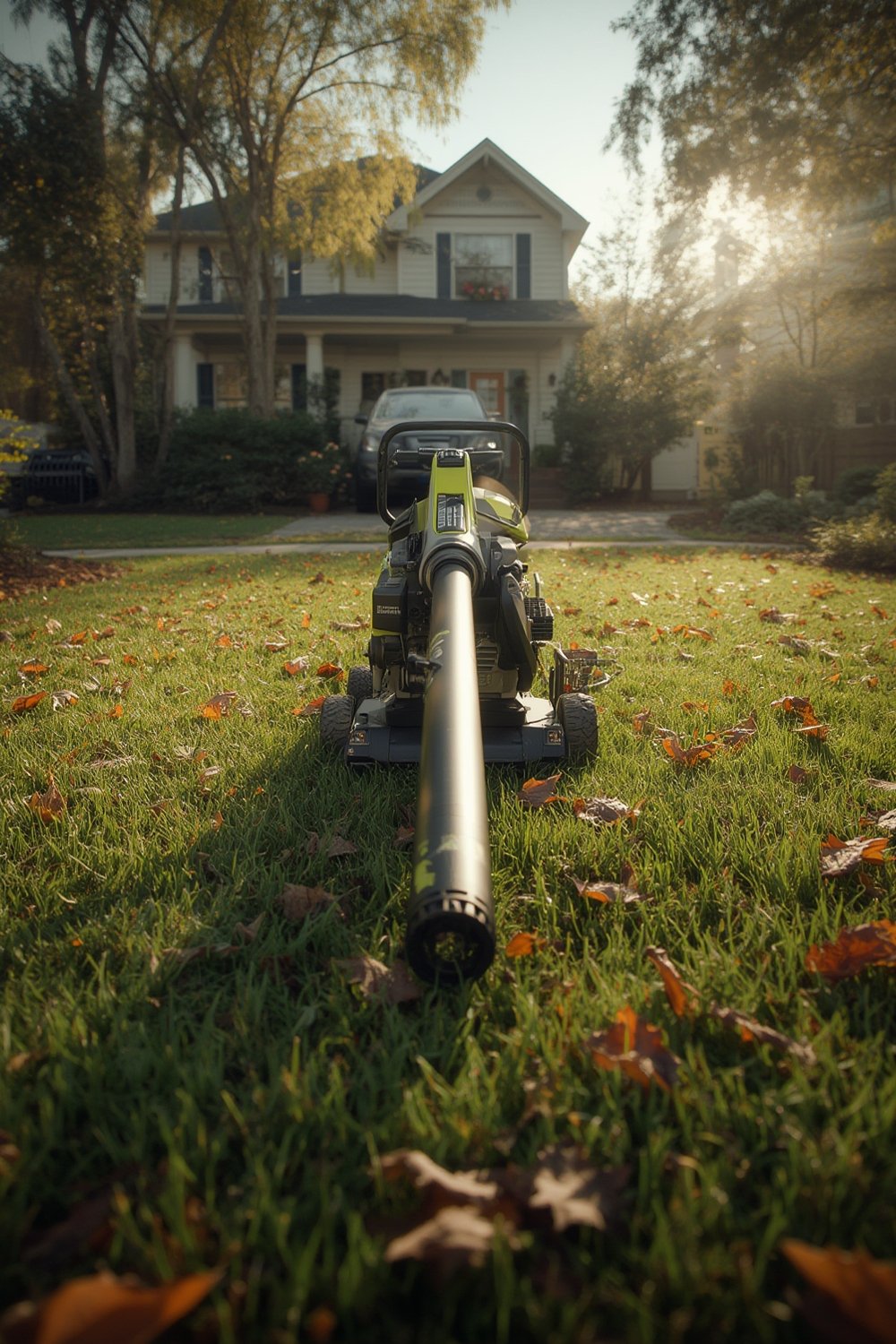
Unlike brands such as Stihl, Ryobi, or Echo, Little Wonder leaf blowers haven’t cracked the top sales charts according to independent dealer research. Still, they fill a vital role for commercial and heavy-duty users prioritizing raw power over portability or ultra-low noise. Their main appeal is quick cleanup for larger areas, especially sports fields, parks, or commercial lots.
The global leaf blower market is growing, with North America holding the largest share—well over 40% by recent industry reports. Whether you’re running a landscaping service or maintaining municipal grounds, understanding the details of Little Wonder’s offerings and how they match up with competitors will help you make a smart buy.
How to Select and Use Little Wonder Leaf Blowers Effectively
Selecting the right commercial blower means balancing engine size, air volume, speed, reliability, and service support. Here’s a strategic, actionable process tailored for professionals and demanding homeowners:
- Define Your Needs: List your property type, average cleanup size, surface material, and whether mobility (e.g., stairs or irregular terrain) is a concern. Little Wonder leaf blowers excel on flat, open zones.
- Compare Essential Specs: For instance, the 429-cc 4-cycle model delivers 2530 CFM and 160 MPH (Lowes.com). There’s also a 570 cc Briggs & Stratton model peaking at 179 MPH (Plainfield Equipment). Compare to best-sellers like Stihl or Billy Goat for context.
- Budget for Full Cost of Ownership: Consider not only purchase price (average commercial blower: $518, per OPE-Plus data), but also parts and labor since replacement part and maintenance info is sparse.
- Purchase from Reliable Dealers: Find up-to-date listings at StarkStreet.com, Fisette Small Engine, and other established retailers. Confirm warranty details before checkout.
- Read Real Maintenance Guides: If you can’t find public repair or parts info, consider contacting the dealer or manufacturer directly—many owners report gaps in available manuals and service bulletins.
- Plan for After-Sales Support: Since widespread negative reviews or user-reported problems were not found, extra diligence on maintenance and support before committing is wise. Gaps in service can increase downtime and cost.
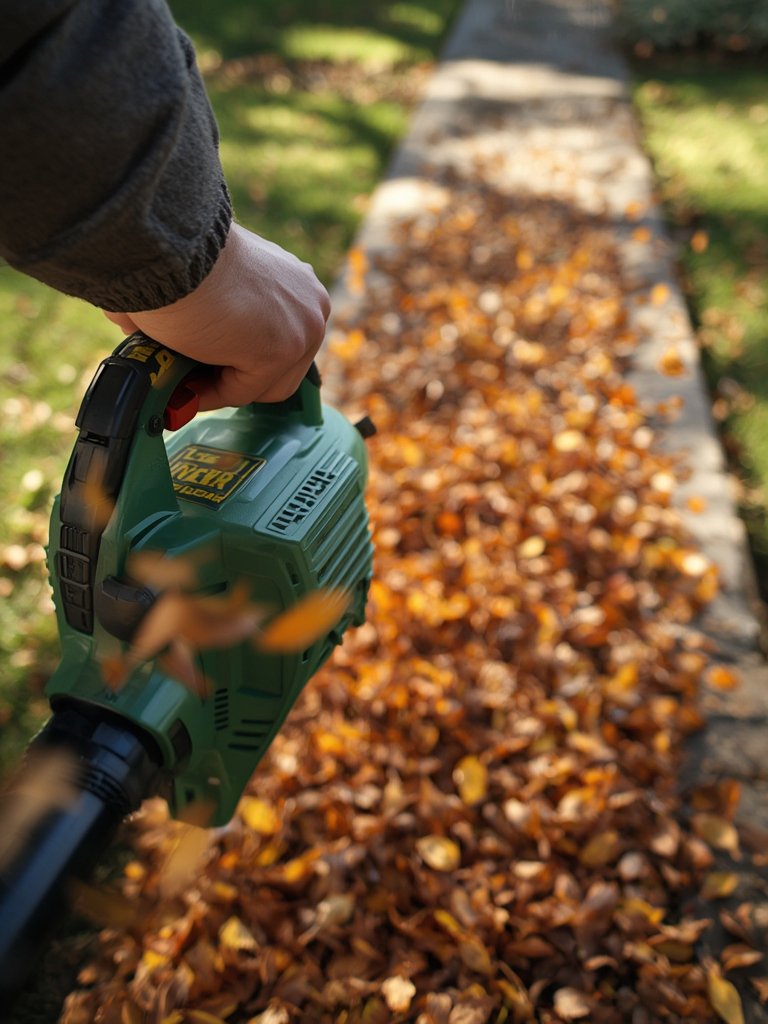
- Research local dealers’ replacement part availability—this varies widely.
- Schedule preventative service at least twice annually; blowers in heavy seasonal use may require more frequent oil and air filter checks.
- Bookmark resource hubs like our landscaping services guide to connect with vetted pros for complex repairs.
For additional landscaping and lawn care tips, see our guides on top turf lawn care and lawn mowing best practices.
Advanced Analysis: Performance, Problems, and Pitfalls with Little Wonder Leaf Blowers
Little Wonder blowers claim high performance specs, but a closer look reveals important realities and caveats:
| Model | Engine | CFM | MPH | Weight* | Noise* | Avg. Price |
|---|---|---|---|---|---|---|
| Little Wonder 429-cc Walk-Behind | 429 cc, 4-cycle | 2530 | 160 | N/A | N/A | $518–$800 |
| Little Wonder 570-cc Vanguard | 570 cc, Briggs & Stratton | N/A | 179 | N/A | N/A | $800–$1200 |
| Stihl BR600 (Best-selling Competitor) | Gas, Backpack | N/A | N/A | N/A | N/A | $549 |
*Weight and noise level data unavailable from current public sources as of 2024.
While Little Wonder’s air flow scores are impressive, the lack of mainstream sales, published user complaints, and data on real maintenance costs are distinct drawbacks. Neither weight nor noise output is consistently listed—potentially problematic for operators who require detailed specifications for planning, compliance, or equipment bids.
There’s also a significant knowledge gap in:
- Long-term durability or stress testing under continuous pro use.
- Off-the-shelf parts availability and real maintenance costs.
- Published warranty terms or after-sales support reviews.
Competing brands like Stihl and Ryobi have broader dealer networks, clear service plans, and more third-party reviews—helpful for risk-averse buyers. If details matter to you, request them from the dealer, and be ready to document your own experience for future reference.
If you’re new to buying commercial lawn equipment, check out our advice on navigating big box and local stores to avoid buying mistakes.

Final Thoughts
Little Wonder leaf blowers offer serious power and are purpose-built for demanding jobs, but transparency around long-term reliability, maintenance, and parts support remains limited compared to high-volume brands. Always weigh specifications against dealer service, real-world feedback, and ongoing support. If uptime and low downtime are crucial, factor that into your decision—or explore more broadly-reviewed alternatives.
Ready to upgrade your cleanup gear? Research Little Wonder leaf blowers at trusted retailers, double-check warranty and part support, and invest in a tool that fits your property and workflow needs.
Frequently Asked Questions
Where can I buy Little Wonder leaf blowers online?
Reputable sellers include Lowes.com, StarkStreet.com, Fisette Small Engine, and Plainfield Equipment.
Are Little Wonder leaf blowers as reliable as Stihl or Echo?
Direct third-party reliability or long-term durability data is not widely available for Little Wonder. Brands like Stihl have more published reviews and field reports, which can be helpful when weighing total long-term value and support.
What parts of Little Wonder blowers are most commonly replaced?
Public data on commonly replaced or serviced parts for Little Wonder leaf blowers is sparse. For routine upkeep, budget for oil, air filters, spark plugs, and wheel maintenance—ask your dealer for recommended spares at the time of purchase.
Does Little Wonder provide a warranty or after-sales support?
Warranty and after-sales support details are not clearly published online. Always ask your dealer for written warranty terms before buying and confirm their policies for parts and service turnaround.
How do Little Wonder leaf blowers compare to Billy Goat models?
No direct specification comparison is available in current research, but both brands occupy the pro and commercial walk-behind blower category. Little Wonder lists higher CFM in some models, but published performance and durability tests are lacking for both brands.