


How to polish wood furniture is one of the most asked questions for anyone wanting furniture to look new, last longer, and avoid accidental damage. This guide is based on recent research, real user complaints, and expert advice. If you want to avoid sticky buildup, wasted effort, or ruining valuable pieces, read on for specific and realistic answers.
Key Takeaways
- Always match your polish and cleaning approach to your furniture’s finish — sealed modern wood and antique/unsealed wood need different care.
- Overusing polishes, using the wrong product, or skipping surface prep is the #1 reason for sticky, hazy, or damaged wood.
- paste wax (not spray) is safest for most pieces, but frequent polishing often does more harm than good.
- What Does Polishing Wood Furniture Actually Do (And Why It Matters)
- Step-by-Step Guide: How to Polish Wood Furniture Safely
- Advanced Analysis & Common Pitfalls: What Most Articles Miss
- Conclusion
- FAQs
What Does Polishing Wood Furniture Actually Do (And Why It Matters)
Polishing wood furniture is more than wiping for shine. It’s about the careful cleaning, surface protection, and choosing products that either enhance or risk damaging your furniture’s finish. The process involves applying a protective film or wax to improve appearance and add water resistance. But not all wood furniture is made equal — factory-sealed, polyurethane, or lacquered pieces can take modern sprays and cleaners, while antique or unsealed wood can be irreparably damaged by generic polishes or overzealous cleaning.
Modern polish products, according to recent market studies and industry reports, include different resins, waxes, oils, and solvents. Some restore shine and protect, others can clog, yellow, or even dissolve older finishes. Frequent use, especially of high-silicone or solvent polishes, is one of the main causes of sticky surfaces, buildup, and even allergic reactions. That’s why knowing your wood type and finish is the most important step before applying anything.
Most mistakes come from not distinguishing between modern sealed furniture and valuable or antique pieces. Conservation experts and museums agree: overpolishing, using “feeding” oils, or harsh sprays can cause more harm than good. Less is usually more, and the right wax, applied sparingly and buffed out, remains the safest route for most wood surfaces.
Step-by-Step Guide: How to Polish Wood Furniture Safely
This process divides into two tracks: one for typical modern sealed wood, one for antiques and unsealed finishes. Identify your piece and always test any product or method in a hidden spot first.
1. For Modern Sealed Wood (Polyurethane, Factory Lacquer, Varnish, UV-Coated)
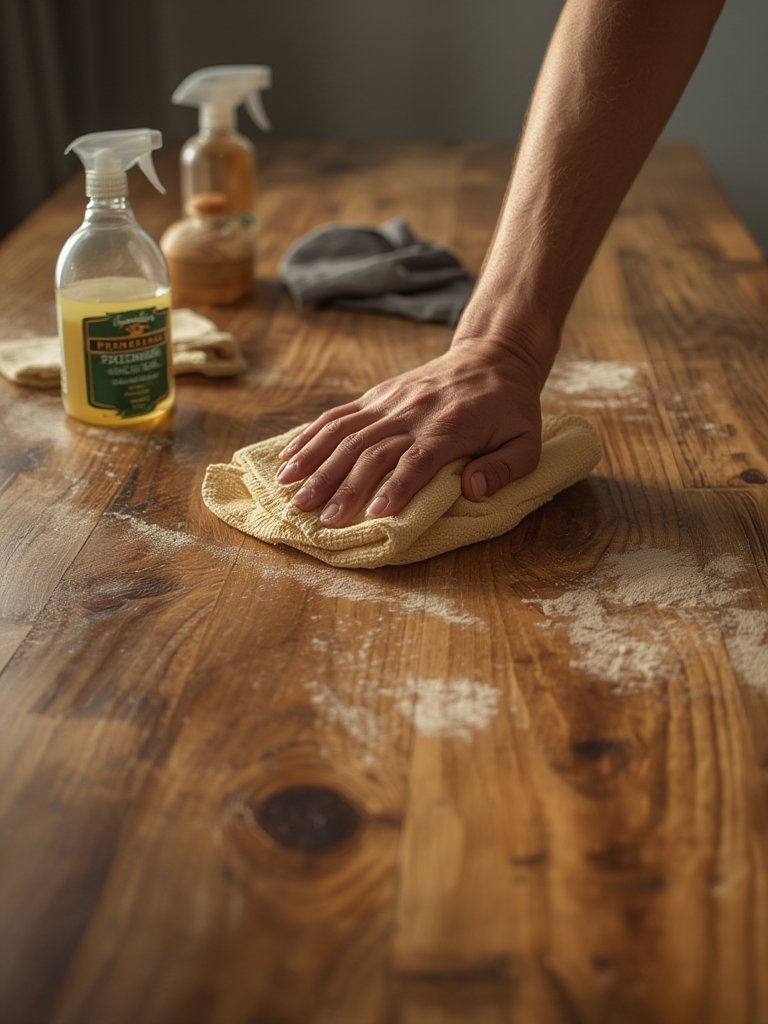
- Dust regularly with a dry microfiber or soft cloth. Don’t use paper towels — they’re abrasive over time.
- Clean if needed. Use a slightly damp cloth with mild detergent (a drop of dish soap in a quart of water). Never soak or leave the surface wet.
- Dry immediately with a second cloth.
- Optional: Polish. Apply a small amount of a non-silicone, wood-safe furniture polish onto a cloth (never spray directly). Wipe with the grain, then buff out any excess. Prefer water-based polishes (see modern trends) for lower indoor air impact.
- Special case: If you want extra protection (dining tables, desks), use a thin paste wax a few times per year. Apply very thinly, allow to haze, then buff until you can’t feel wax residue.
2. For Antique or Unsealed Wood (Shellac, Wax, Oil Finishes, Bare Wood)
- Assess. Don’t polish if the finish is flaking, sticky, or crazed — consult a conservator or pro first.
- Dry dust only with a soft cloth or brush. If needed, gently vacuum dust from carvings with a brush attachment a few inches from the surface.
- Every 1–2 years (rarely): Use a museum-grade paste wax—beeswax or microcrystalline are best. Apply a tiny amount, work with the grain, let dry, and buff gently. (See conservation-accepted commercial wax or safe homemade recipes below.)
- DIY? Stick to wax-in-mineral-oil blends. Avoid oils mixed with vinegar or strong essential oils, as these may darken or damage historic finishes, per market research on modern and natural trends.
- Spot clean gently if very dirty. Use a barely damp cloth (water only, or a little mineral spirits if known safe) and stop if you see color come off. Dry right away and never soak.
For a deep-dive on other home improvement projects, see this remodeling guide or our kitchen renovation cost overview.
Always avoid silicone sprays on any valuable or antique wood, as these residues will contaminate beyond what basic cleaning can fix.
Advanced Analysis & Common Pitfalls: What Most Articles Miss
Most search results on how to polish wood furniture barely touch the real risks. Below is a realistic look at the problems and trade-offs, especially if you own heirlooms or mix DIY with store-bought products.
The Most Common Problems & Why They Happen
- sticky buildup, haze, or streaks: Usually from overpolishing (especially with oils or silicone-rich sprays) without cleaning old residue first.
- Extra dust and fingerprints: Tacky surfaces from “lemon oil” or silicone polishes attract more dirt between cleanings.
- Clouding and white rings: Water or strong solvents interact with lacquer or shellac, making hazy areas or highlighting old damage.
- Unwanted color changes: DIY “scratch covers” can pool in carvings and grain, causing uneven tones especially on antique oak or mahogany.
- Permanent finish damage: Citrus or solvent-based sprays can soften or destroy fragile finishes, especially on early or unrestored pieces.
- Making restoration harder: Silicone or waxes make professional refinishing much more difficult (leads to “fish-eye” in new coatings).
- Health and indoor air complaints: Fragrances and high-VOC polishes can trigger headaches and irritation, especially if used frequently or without ventilation (see VOC findings here).
| Aspect | Modern Sealed Wood | Antique/Unsealed Wood |
|---|---|---|
| Cleaning fluids | Mild detergent, water, modern cleaners | Minimal liquid, cautious tests only |
| Polish type | Film-safe; optional paste wax | Museum-grade wax, very rarely |
| Oil use | Not needed | Generally avoid; wax safer |
| Frequency | Few times per year max | Annual or less; mostly dust |
| Vulnerability | Medium; tolerates more products | High; solvent or wrong polish can ruin |
What Research Shows that Guides Skip
- Polishing does not “feed” finished wood — old oil sits on top and traps grime (industry data agrees).
- Natural polishes are safer for air quality, but DIY recipes with food oils or vinegar can go rancid or damage finishes. Mineral oil + beeswax blends are safest for homemade use.
- Professional cleaning costs vastly more than DIY, but one DIY mishap on an antique can cost hundreds in restoration. Weigh risks before skipping advice.
- Always test products in a hidden spot and clean off built-up waxes/oils before each new wax application.
Conclusion
To recap: Effective and safe how to polish wood furniture results come from matching the right product and technique to your actual finish—not from blindly following old myths or trending products. Modern sealed wood tolerates light, periodic cleaning and maybe a thin wax. Antiques need minimal intervention and specialized materials you can remove without harming the finish. When uncertain, always dust gently, test carefully, and use less product, not more. For true restoration or valuable pieces, consider a professional for better long-term results.
Ready to give your wood furniture the best care? Start with the safe steps above, and check out guides for other projects, like soundproofing your room cheaply or removing mold risks from walls. Keep your furniture lasting for generations!
FAQs
Is homemade wood polish as good as commercial brands?
Homemade recipes with mineral oil and beeswax are effective for surface protection and shine in most everyday uses. However, food oils or vinegar-based recipes can cause residue or even damage over time. Unlike commercial brands, homemade options lack preservatives but are lower in VOCs and fragrances, which may improve indoor air quality if ingredients are chosen wisely.
Why does my furniture feel sticky after polishing?
Stickiness is often caused by overapplication, not cleaning off old polish before adding more, or using oil/silicone-rich sprays too frequently. Residue builds up, especially in warm or humid spaces. Clean old layers with a gentle wood cleaner before reapplying any polish or wax, and always use products in very thin coats.
How often should I polish wood furniture?
Museums and experts recommend waxing or polishing only every 6 to 12 months for most homes. For antiques, waxing every few years is usually enough; weekly or monthly dusting is far more important.
Can I use “lemon oil” or kitchen oils on all wood furniture?
“Lemon oil” is mostly mineral oil plus fragrance and is generally safe for modern, sealed finishes. Avoid using olive or cooking oils, especially on antique or porous wood — these can become rancid, sticky, and hard to remove.
What’s the safest polish for an antique desk or dresser?
Paste waxes based on beeswax and carnauba are safest when used sparingly. Avoid silicone sprays, aggressive cleaners, or products with high solvent content — these can damage historical finishes or complicate any future restoration work.