



Looking for mattress stores near me can be stressful, especially when price, quality, and convenience all matter. Many shoppers wonder which stores are reputable, what types of mattresses are in stock, and whether deals or financing are actually worth it. This guide breaks down the key facts and gives you an actionable process to find the right mattress store in your area—without wasting time or overspending.
Key Takeaways
- There are over 15,000 mattress stores in the US, with a wide range of models and pricing, but location-specific information is often lacking.
- Smart shopping includes comparing store offerings, analyzing customer service policies, and evaluating new comfort technologies and in-store trials.
- Lack of transparency and vague promotions are frequent issues—knowing national averages and asking the right questions helps you avoid overpaying.
- What to Know About Local Mattress Stores Near Me
- How to Choose the Best Mattress Store Near You
- Expert Insights & Potential Pitfalls
- Conclusion
- Frequently Asked Questions (FAQ)
What to Know About Local Mattress Stores Near Me
Mattress shopping today involves much more than picking the right comfort level. Across the US, more than 15,261 bed and mattress stores served customers in 2025—a number that’s been slowly rising, as noted by industry research. Though location-specific data is limited, national trends shape local markets. Retailers now offer more than just innerspring beds: memory foam, latex, polyurethane, and adjustable mattresses have become mainstream.
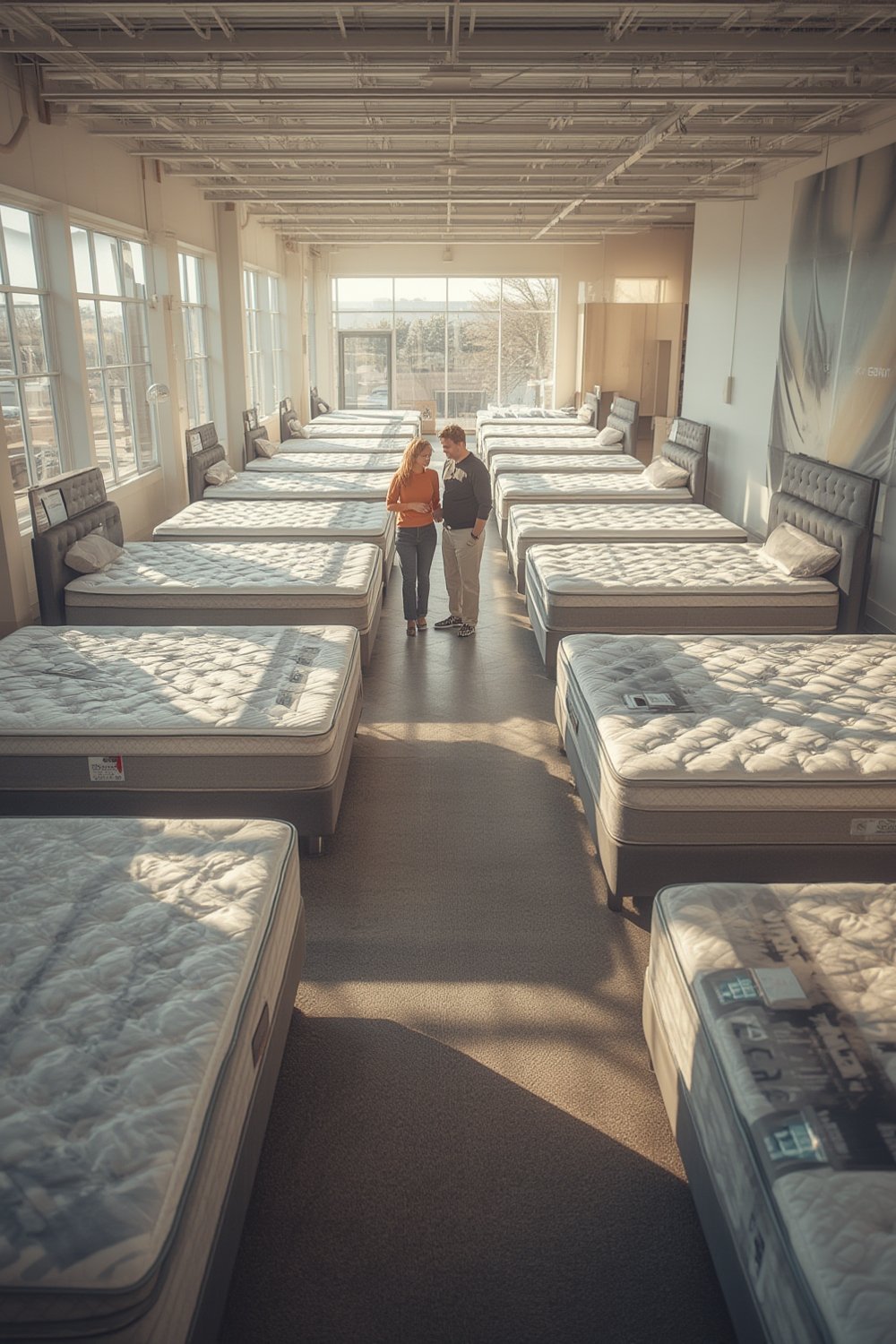
Mattress stores near you may promote “sleep technology” models and run seasonal deals, but finding accurate information about inventory, store policies, and honest reviews can be frustrating. Consumers want transparent return policies, real sleep trials, and price clarity. In-store promotions—like “50% off”—may apply only to select models or old stock. This is why knowing industry-wide benchmarks and how to validate store claims is crucial before you buy.
For those who value home improvement and smart shopping, learning about mattress pricing is as important as knowing kitchen renovation costs or the best places to lease to own furniture near me. It lets you set realistic expectations and avoid overspending.
How to Choose the Best Mattress Store Near You
Choosing the right mattress store can simplify your search and ensure better rest for years to come. Here’s a clear, step-by-step approach to get real value without the games.
- Research Local Listings: Use search engines and mapping apps to list mattress stores within a reasonable distance. Pay attention to chain stores vs. independents—independents might offer unique services or custom deals.
- Check Product Selection: Compare the brands and mattress types each store stocks. Many now carry coil, hybrid, memory foam, latex, and even Smart Adjustable beds. This diversity reflects changes in offerings, as reported by IBISWorld.
- Review Store Policies: Ask about delivery fees, return windows, restocking charges, and in-store sleep trials. Clear policies are as important as the price.
- Compare Prices to National Averages: Nationally, a US-made mattress averaged $452.63 in Q1 2025, while coil mattresses tend to fetch around $1,000 and foam or memory foam models average $1,150, as detailed on NapLab. Imported mattresses are much lower—about $70. Ask about price-matching or bundled promotional deals.
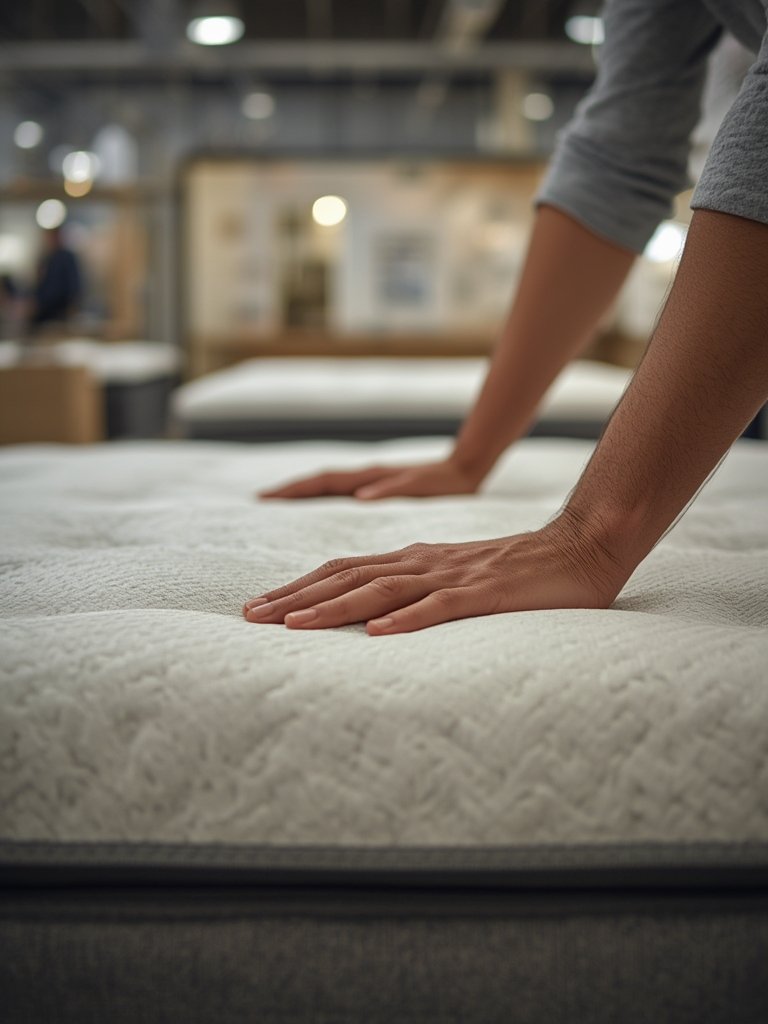
- Test Mattresses In Person: Physical testing matters. Not all firmness ratings or comfort levels translate the same. Some stores provide real sleep trials (at-home). Ask if the trial is free and what’s required for returns.
- Look for Financing & In-Store Incentives: Flexible financing can help, but check effective interest rates and hidden fees. Sometimes offers are only available for select models or require credit approval.
- Inspect Delivery Services: Confirm if the store offers same-day or next-day delivery, setup, and old mattress removal. Delays and extra fees are common.
- Read or Request Reviews: If you can’t find real customer reviews online, ask the store for recent testimonials or referrals.
Remember, some mattress stores near you may also offer furniture, home goods, or special items. Explore places like American Furniture Warehouse or read about Jordan Furniture for broader home shopping options.
If you’re planning a major bedroom upgrade, compare mattress store deals to other essentials, such as small outdoor sofas for relaxation or learning how to polish wood furniture for a refreshed look.
Expert Insights & Potential Pitfalls
Shopping for a mattress locally often exposes a few recurring issues:
- Confusing Promotions: Deep discounts or “one-day sales” may apply only to certain models or discontinued lines. Always get the details in writing.
- Hidden Fees: Delivery, mattress removal, or restocking fees add up—sometimes erasing the advertised savings.
- Opaque Trial and Return Policies: Some stores claim to offer returns or sleep trials, but the process can be complicated, include return shipping costs, or come with strict conditions.
- Limited Real Reviews: Genuine customer feedback is scarce, making it tough to know if a store truly stands behind its policies and products.
- Unclear Warranty Terms: Not all warranties are handled through the store; some require direct manufacturer contact. Double-check before buying.
Here’s a quick comparison of the most common mattress types and their average prices, based on national data:
| Mattress Type | Typical Store Price (US average) | Common Features |
|---|---|---|
| Innerspring | $1,000 | Traditional support, bounce, budget options |
| Foam / Memory Foam | $1,150 | pressure relief, contouring feel, motion isolation |
| Latex | $1,500+ | Eco-friendly, responsive, durable |
| Smart Adjustable | Varies, often $2,000+ | Custom firmness, tech features, often require in-store demo |
| Imported (no name) | $70–$200 | Limited warranty, mixed quality, few trials |
It’s smart to treat mattress shopping much like evaluating department store deals or comparing patio furniture options—details and exceptions in the fine print matter. You can also keep an eye on monthly or “holiday” sale events, even though these can be overhyped without real savings.

Conclusion
Finding trustworthy mattress stores near me doesn’t have to feel overwhelming. By understanding national market trends, actively comparing stores, and reading all the fine print on discounts and trials, you can avoid costly mistakes. Use this guide to separate fact from marketing and make sure you’re getting true value and lasting comfort. Ready to find your next mattress? Start by making calls, checking reviews, and visiting a mattress store near you today.
Frequently Asked Questions (FAQ)
What is a fair price to pay for a mattress in the US?
The national average for US-made mattresses is about $450 for standard models, with coil and foam mattresses averaging $1,000–$1,150. Imported models can cost much less, but may not match quality or warranty standards. Always compare prices to national averages and ask for itemized quotes.
How do mattress store return policies work?
Policies vary widely. Some stores offer in-home trials for 30 to 120 days, while others have final sale items. Ask specifically about restocking fees, pick-up costs for returns, and whether you get a full refund or store credit.
Are mattress sales events actually worth waiting for?
Major sales (Memorial Day, Black Friday, President’s Day) can offer real discounts, especially on last year’s models. However, some promotions are exaggerated or apply only to select inventories. Visit stores before and during sales to compare price tags and ask about exclusions.
Is it better to buy from a local store or online?
Local stores let you test comfort, negotiate terms, and get faster issue resolution. Online retailers may offer better trial periods and lower prices, but return processes can be harder. If you value trying before buying and personalized service, stores near you may be the better choice.
What types of mattresses do most stores now carry in 2024?
Innerspring, foam, hybrid, and adjustable smart mattresses are standard offerings at most stores. Many have expanded to carry sustainable and organic options, and more retailers now feature technology-driven “smart” beds in addition to classic models.