


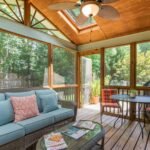
Outer patio furniture is rapidly transforming how we use and enjoy our outdoor spaces, blending comfort, durability, and modern design. In 2024, it is one of the fastest-growing global home categories, with consumer demands focused on stylish materials, weather resistance, and true “indoor-outdoor” living. Here’s what you need to know before buying, upgrading, or maintaining your perfect patio setup.
Key Takeaways
- The 2024 market for outer patio furniture is booming, led by demand for wood, recycled plastics, and aluminum, with online sales near 42% in the US.
- Biggest problems for buyers: rapid weather damage, fading, rust, cushion deterioration, and high maintenance.
- Best material picks: powder-coated aluminum, genuine teak, HDPE/recycled plastic, and high-quality synthetic wicker for longevity and low upkeep.
- What Is Outer Patio Furniture and Why It Matters
- Step-by-Step Guide: Choosing & Caring for Outer Patio Furniture
- Advanced Analysis & Common Pitfalls
- Conclusion
- Frequently Asked Questions
What Is Outer Patio Furniture and Why It Matters
Outer patio furniture is more than chairs and tables left to weather in the sun—it’s a top-performing segment of global furniture where value, style, and function converge. Today’s outdoor spaces are true extensions of the home, frequently used for dining, relaxation, remote work, and entertainment. This shift has made patio furniture selection more technical and important than ever: buyers want products that look and feel luxurious, stand up to weather, and stay beautiful with minimal effort.
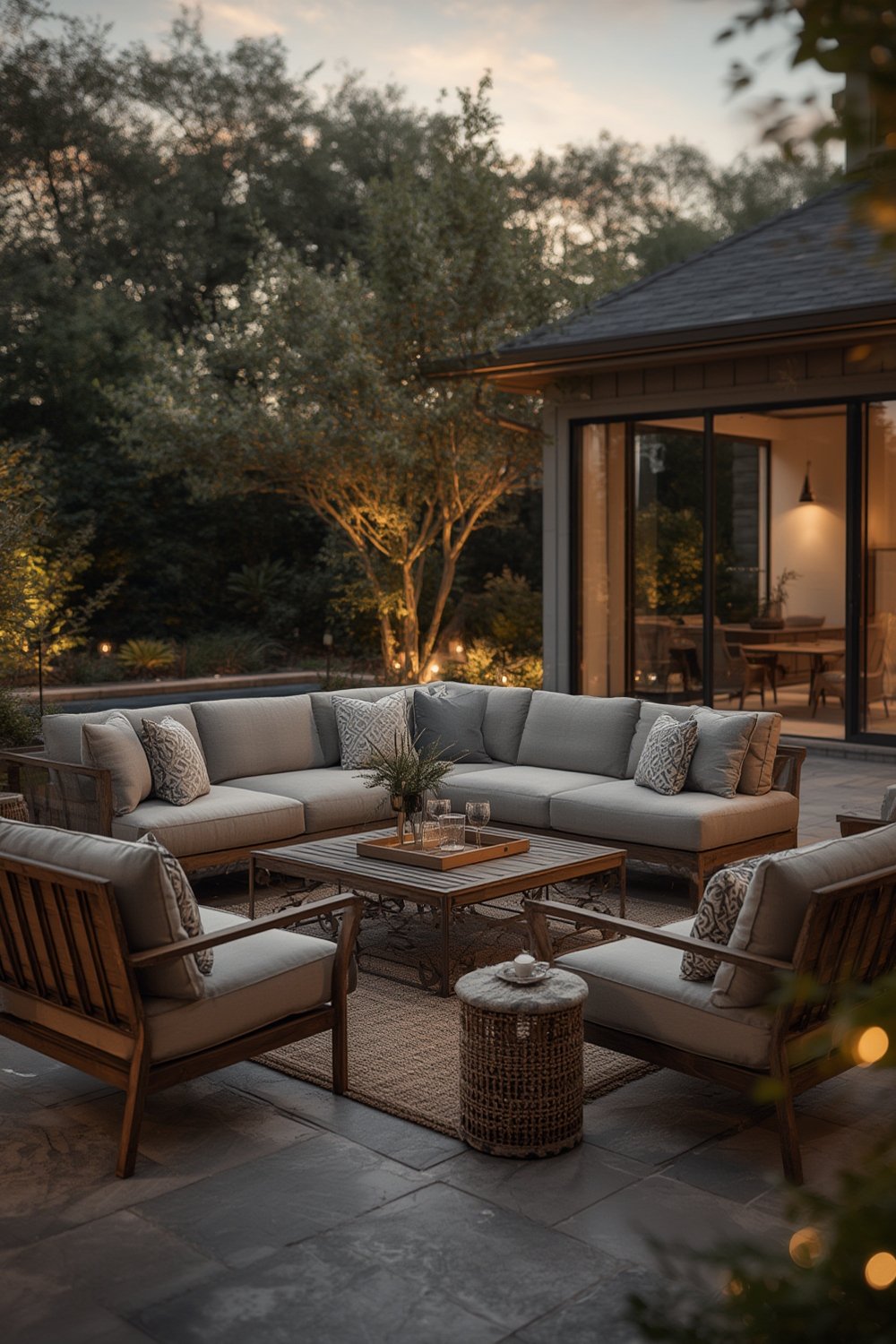
What’s changed? Global outdoor furniture sales are forecast near $51 billion in 2024 (Grand View Research), with wood dominating for natural looks, while powder-coated aluminum, HDPE plastics, and synthetic wicker drive innovation. Earnings come mostly from residential buyers—homeowners want resort style at home, low maintenance, and online shopping ease. Comfort, durability, and modern flexibility are now non-negotiable, whether you’re furnishing a backyard, rooftop, or balcony. For a deeper look at outdoor trends in specific cities, see our overview of outdoor furniture in Jacksonville, FL.
Step-by-Step Guide: Choosing & Caring for Outer Patio Furniture
Use these steps to avoid mistakes and maximize the value, comfort, and longevity of your outdoor furniture investment.
- Measure and plan layout: Sketch your space. Leave room to walk easily around furniture and keep at least 18 inches clear for chairs to slide out. Modular pieces or bistro sets are smart for small patios and balconies.
- Choose materials for longevity and maintenance: Teak, powder-coated aluminum, HDPE/recycled plastics, and quality synthetic wicker are proven winners. Avoid untreated softwoods or low-grade steel unless you plan for regular maintenance or replacement. See more on eco-trends here.
- Test comfort and ergonomics: Don’t settle for “looks great” only! Deep seating, contoured backs, and premium foam cushions create the “indoor-outdoor” feeling people love.
- Check assembly and storage practicality: Look for easy assembly, spare hardware, and stackable or folding options—especially crucial for city living or seasonal storage. Learn how landscaping can accent your patio zone with our guide on landscaping services near you.
- Confirm performance ratings and warranties: Seek details on weatherproof claims, UV testing, and mildew-resistance. Go for brands providing clear warranty policies and replacement parts—consider this an investment, not a disposable good.
- Plan for care and upgrades: Outdoor furniture lasts longer if you:
- Clean gently with approved products (avoid harsh chemicals—pH matters)
- Inspect joints and feet; swap out hardware or add glides as needed
- Store cushions in dry, breathable bins or use covers for off-season
- Rotate and “rest” sun-exposed pieces to slow fading
- Seek modular seating with upgradeable/replaceable covers or parts
For more on climate-specific care, try our hands-on turf care guide—many practices overlap with outdoor furniture maintenance!

Buying for tight spaces? Consider “indoor-style” conversation sets, nesting tables, or storage benches that offer smart function without clutter. For cost comparisons and modern options, see our deep-dive into affordable furniture store solutions.
Advanced Analysis & Common Pitfalls
Even savvy buyers face disappointments with patio furniture—here’s where things go wrong and how to avoid repeating common mistakes.
- Weather damage and fading: Most complaints are about rust, peeling, and sun-faded materials. Cheap metals or untreated hardwoods fail quickly in wet or sunny regions. UV-stable synthetic wicker fibers and powder-coated finishes make a difference—but only if they’re quality grade. Reference: Mordor Intelligence.
- Cushion and fabric breakdown: Mildew, flattened foam, or color loss are frequent with discount sets. Look for removable, mildew-resistant covers that are machine washable and properly vented for airflow (slatted bases beat solid boxes for breathability).
- High maintenance requirements: Softwoods and iron require annual sealing or painting; if neglected, expect rapid rot or rust. HDPE and aluminum are much lower effort, but always rinse after pool chemicals or salt exposure.
- Poor assembly and instability: Lightweight, bargain-priced sets can wobble or break at joints under regular use or wind. Go commercial-grade or add weight/stabilizers in open, gusty areas. Frequent tightening of bolts and replacing glides helps extend lifespan.
| Material | Durability/Longevity | Weather Resistance | Comfort & Aesthetics | Maintenance Needs | Usual Price Level |
|---|---|---|---|---|---|
| Powder-coated aluminum | High | Excellent (if quality coated) | Modern, needs cushions | Low (simple cleaning) | Mid |
| Teak (hardwood) | Very High | Excellent (when top grade) | Warm, luxury look | Medium (cleaning, sealing optional) | Mid-High |
| Synthetic wicker (on aluminum) | Medium-High* | Good to Excellent (if UV-stable resin) | Textured, homey | Low-Medium (wash down) | Mid |
| HDPE/recycled plastics | High | Excellent (even by pool or beach) | Solid, functional vibe | Very Low | Mid |
| Steel/wrought iron | Medium | Poor-Medium (rust risk) | Classic, ornate | High (needs repainting) | Low-Mid |
| Low-grade woods | Low-Medium | Poor unless heavily sealed | Rustic, natural | Very High | Low-Mid |
Common pitfalls to dodge:
- Choosing “bargain” wood or metal if you lack time for annual upkeep
- Skipping performance certifications and buying on looks alone
- Forgetting micro-climate effects—coastal, desert, and shaded patios all have unique needs
- Ignoring the importance of modularity and easy upgrades
- Underestimating the need for replacement parts; many consumer brands don’t stock spares
Expand your home improvement mindset: if you’re planning a renovation or backyard upgrade, our home improvement landscape guide can help you budget, plan, and avoid surprises while increasing your home’s value.
Conclusion
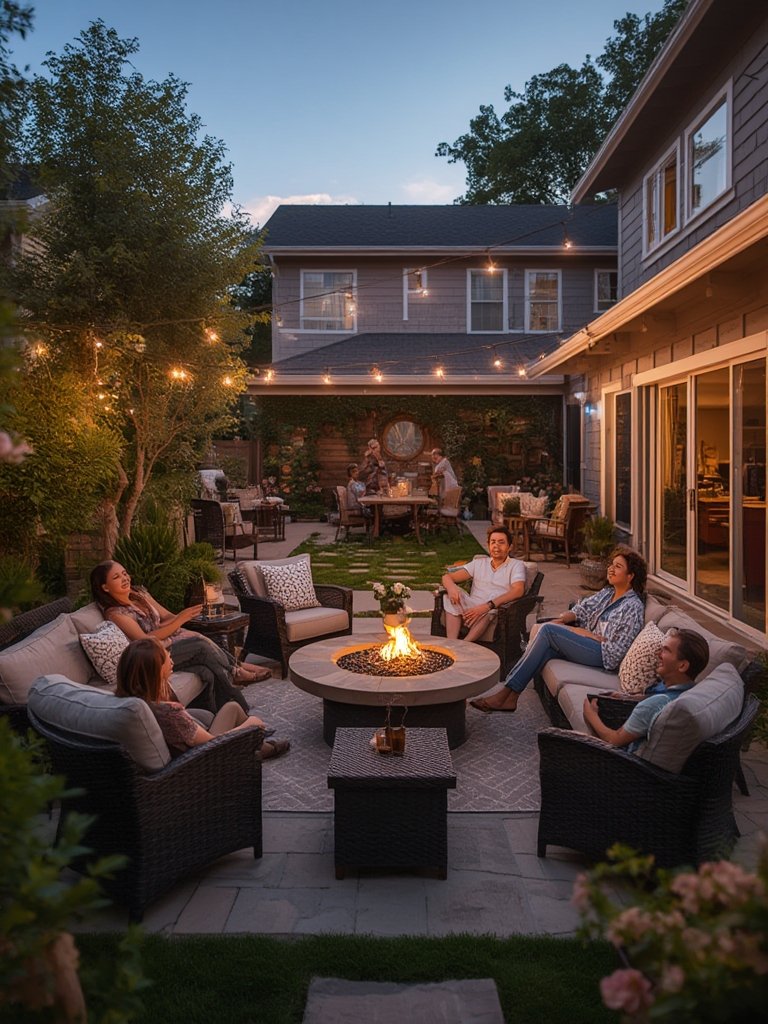
Smart investment in outer patio furniture means matching material and design to your unique space, climate, and lifestyle—while prioritizing proven weather resistance, comfort, and ease of care. Avoiding “set and forget” mistakes and understanding care requirements up front will protect your investment and deliver year-round enjoyment. The right outer patio furniture turns your patio into a retreat, increases home value, and simplifies outdoor living.
Ready to upgrade? Research sustainable options, inspect warranties, and choose upgradeable, modular pieces. For more inspiration, compare regional weatherproof patio options in our local outdoor furniture guide.
Frequently Asked Questions
What material lasts longest for outer patio furniture?
Top performers are powder-coated aluminum, genuine teak (certified and well-maintained), HDPE or recycled plastic lumber, and high-end synthetic wicker on aluminum frames. These materials offer the best blend of longevity, weather resistance, and low maintenance.
How do I clean and maintain patio cushions?
Use mild soap, warm water, and a soft brush for routine cleaning. Let cushions dry completely and store in a dry, ventilated area—especially in humid or wet climates. Rotate regularly and avoid harsh chemicals that can degrade fabric or foam.
What’s the difference between residential and commercial-grade patio furniture?
Commercial-grade (used by hotels and resorts) focuses on heavier frames, more durable finishes, performance fabrics, and easy serviceability—often with replaceable parts. Residential-grade can be lighter or less robust but may suit areas with gentle use and sheltered conditions.
How can I get the resort look on a small patio or balcony?
Look for modular sectionals, lounge chairs with deep cushions, compact bistro sets, and multifunctional benches with storage. Choose lightweight frames (aluminum or HDPE) and coordinated textiles for an indoor-outdoor feel. Vertical planters and subtle lighting add “retreat” touches without crowding your space.
Is it worth buying sustainable patio furniture?
Yes—demand is rising for recycled plastic, FSC-certified wood, and materials with lower environmental impact. Not only do these last longer, but they also support responsible sourcing and reduce landfill waste. Look for brands providing clear sustainability claims and replacement part availability.