


Outdoor furniture jacksonville fl is not just about sunny patios—it’s a real challenge with Florida’s weather, unpredictable retailers, and sometimes costly mistakes if you pick the wrong set or store.
Key Takeaways
- Jacksonville’s climate favors rust-proof, UV-resistant outdoor furniture built for coastal humidity.
- Local prices and selection are on par with other large Florida metros, but choose retailers with proven post-sale service.
- Major pitfalls include warranty issues, rapid weather damage, and trusting the wrong sellers—always dig for real reviews.
- Jacksonville Outdoor Furniture: What Makes Buying Here Different?
- How to Choose (and Buy) Outdoor Furniture in Jacksonville: Step-by-Step
- Advanced Analysis & Common Pitfalls in Jacksonville
- Conclusion
- Frequently Asked Questions
Jacksonville Outdoor Furniture: What Makes Buying Here Different?
Most outdoor furniture advice overlooks what makes Jacksonville unique: long, humid summers, intense UV exposure, salt air, and unpredictable storms. Under these conditions, standard patio sets can fade, rust, or develop mold far faster than they would in milder climates.
Recent 2023–2024 market data shows strong demand across Florida for outdoor rooms, modern patio layouts, and weather-resistant designs. For Jacksonville shoppers, however, choosing the right pieces requires extra attention to both materials and local retailers to ensure long-term durability and value.
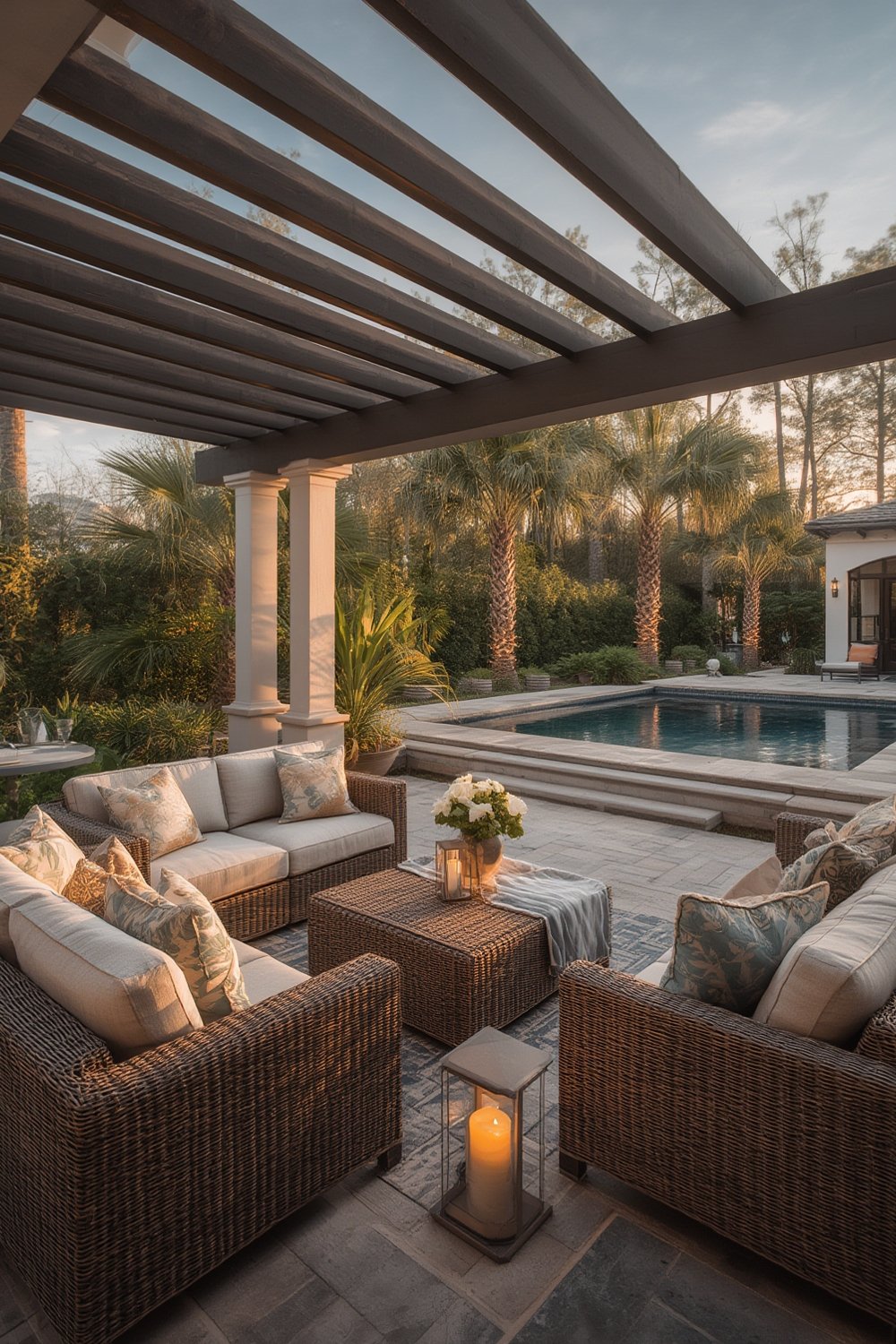
Materials like powder-coated aluminum, HDPE poly lumber, and solution-dyed acrylic fabrics are close to essential here. Styles lean modern or coastal, with modular sectionals and light tones. Yet, local buyer complaints and some high-profile business failures underline a hard truth: not every “weatherproof” or warranty promise holds up locally.
If you’re used to shopping for furniture at big-box or national chains, you’ll find similar variety and pricing in Jacksonville as in Orlando or Tampa. But the local outdoor-living market also attracts premium outdoor kitchen and spa companies—some of whom (see Premier Outdoor USA) have severe customer service scandals [1].
How to Choose (and Buy) Outdoor Furniture in Jacksonville: Step-by-Step
- Determine your real patio/yard exposure. Are you close to the Intracoastal or the ocean? That means more salt and faster rust. Do you have little shade? Then UV damage accelerates.
- Set a budget matched to local price tiers. Entry-level three-piece sets start around $150; true weatherproof modular sectionals often run $2,000–$4,000+. Modern design doesn’t have to be expensive: smart shopping during pre-season clearance often saves 15–40%.
- Decide on essential features based on climate threats:
- Rust-proof frames (powder-coated aluminum or 304/316 stainless steel)
- Solution-dyed acrylic or high-grade olefin fabrics
- HDPE poly lumber or marine-rated teak for zero-rot endurance
- Quick-dry foam and removable, washable covers
- Heavier or anchorable pieces for storm resilience
- Vet Jacksonville stores carefully. Check for real post-sale support—not just salesmanship. Read BBB ratings and complaints. Avoid companies with frequent non-delivery or warranty disputes.
- Double-check warranty specifics. Many “all-weather” claims sound similar but only premium brands or major chains usually honor long-term protection (especially on frame rust, fabric fade, cushion collapse).
- Opt for delivery and assembly (when possible). Delivery delays spike in spring and early summer; missing and incorrect parts are a common local issue, especially for larger sets.
- Compare big-box stores vs. specialty retailers for selection. Prices are generally standardized statewide at big-boxes. For teak or HDPE, look for specialty shops that back up “coastal weatherproofing” claims and check up-to-date Google reviews.
- Time your purchase for seasonal discounts or financing. Jacksonville retailers follow Florida’s pattern: shop sales in late winter or late summer for better deals; larger purchases often qualify for 0% financing.
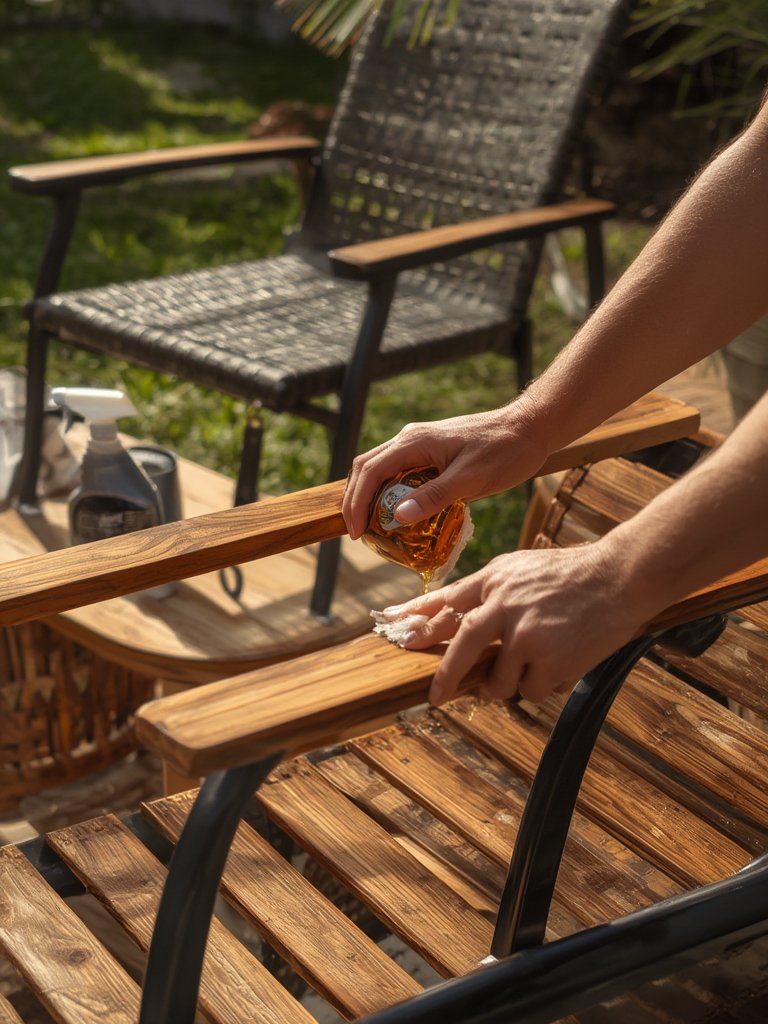
Be aware that outdoor kitchens and spas—while exciting—require next-level due diligence. Some local providers have documented issues with non-delivery and unresolved complaints [2]. For basic patio furniture, sticking with known national retailers like Lowe’s and reviewing local specialty stores is often safer than chasing too-good-to-be-true deals.
Advanced Analysis & Common Pitfalls in Jacksonville
Even smart Jacksonville buyers hit snags unique to this area. Here’s what to watch for and how to avoid costly mistakes:
| Common Pitfall | How It Happens | How to Prevent/Minimize |
|---|---|---|
| Frames rusting in 1–2 seasons | Uncoated steel or zinc hardware used despite “outdoor” description; sea air accelerates corrosion | Buy powder-coated aluminum or 304/316 stainless steel; inspect all hardware before purchase |
| Fabric fading, stains, or mildew | Polyester cushions and untreated fabrics absorb water and UV, turning brown or moldy fast | Insist on solution-dyed acrylic (Sunbrella), remove covers to wash, store cushions during storms |
| “No service after the sale” | Retailers disappear, ignore warranty calls, or have poor documentation (BBB F ratings) | Check post-sale reviews on Google/BBB, favor major chains or long-established stores |
| Delivery and assembly issues | Peak spring orders cause delays, missing parts, and miscommunication, especially at smaller shops | Order well ahead of season, confirm assembly included, inspect upon delivery |
| Warranty voided due to local weather | Buried policy exclusions for coastal salt damage or “acts of God” (storms/hurricanes) | Read full warranty, ask specific questions for Jacksonville conditions |
| Total ownership cost underestimated | Budget sets need cushion/piece replacement every 2–3 years, quickly surpassing initial savings | Calculate annual cost over 5–10 years, not just sticker price |
For a deeper dive into home improvement reliability and how to vet local vendors, see Understanding the Home Improvement Landscape: Lowe’s and Local Stores.
Conclusion
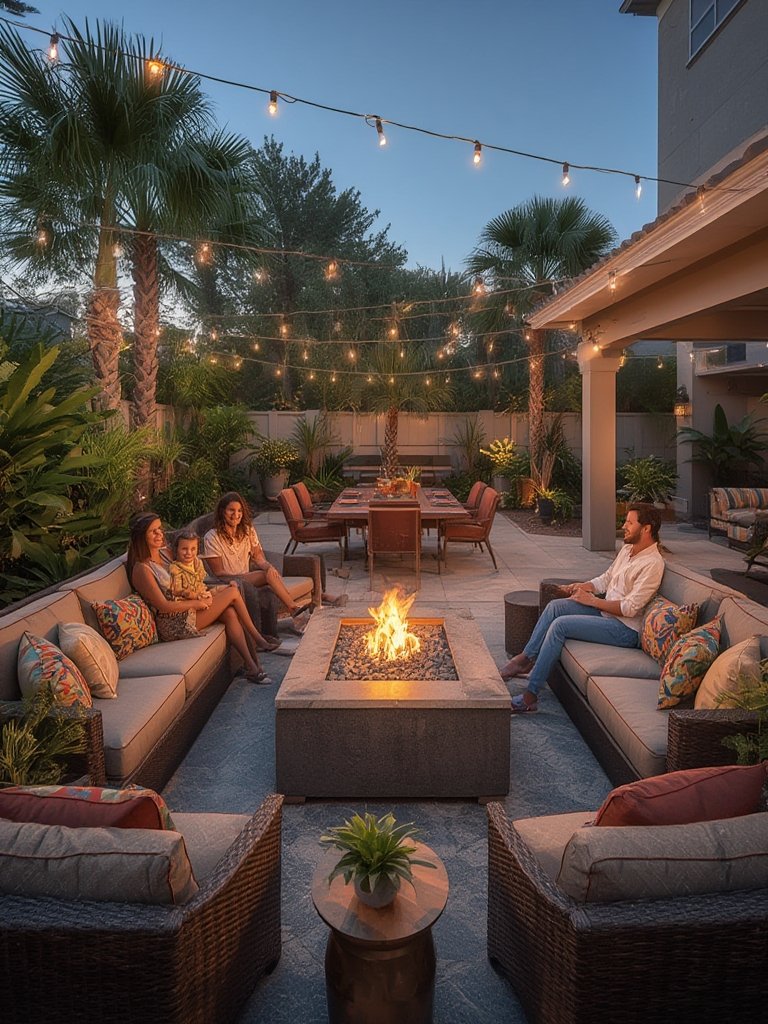
Jacksonville’s hot, humid climate and salty air demand extra care and research when buying outdoor furniture. Prioritize real weatherproof features, investigate retailer reliability, and plan for long-term care to protect your investment. Avoid too-good-to-be-true deals and use local reviews to guide your choice. With smart shopping and the right materials, outdoor furniture jacksonville fl can stay beautiful and functional for years. Ready to upgrade your patio? Start by comparing proven weatherproof options and read ratings before you buy.
Looking for ways to further boost your outdoor living? Check out our expert guide to landscaping services near me or discover the best value in a 25′ garden hose for convenient maintenance.
Frequently Asked Questions
What outdoor furniture materials last best in Jacksonville’s climate?
Powder-coated aluminum, HDPE poly lumber, and stainless steel frames are most resistant to rust and rot. Solution-dyed acrylic fabrics (like Sunbrella) perform best against fading and mildew. Avoid untreated woods or standard steel if you’re near saltwater.
How often should I replace outdoor furniture or cushions in Jacksonville?
Budget cushions may fade or flatten after 1–2 years. Premium sets with proper care can last 5–10 years. Plan for cushion cover replacement every 2–4 years for optimal appearance and hygiene.
Are Jacksonville outdoor furniture stores reliable?
Most national chains are reliable. Some local specialty stores have great reputations, while others—like Premier Outdoor USA—have a history of major complaints and unresolved issues. Always check BBB and Google reviews before buying.
When is the best time to buy outdoor furniture in Jacksonville?
Best deals are typically found in late winter and late summer (pre-season sales or clearance events). Spring tends to bring higher prices and longer wait times for delivery and assembly.
Should I assemble outdoor furniture myself or pay for delivery/assembly?
If you’re buying a large set, professional delivery and assembly reduce risk of missing parts and makes warranty support easier. Small bistro sets are fine for DIY, but always inspect every part before use.