


Looking for a smarter way to water your garden? A raised bed irrigation system can reduce water waste, improve plant health, and save you plenty of time. Here’s how to get it right—without costly missteps.
Key Takeaways
- Automated raised bed irrigation systems can save 20-72% more water compared to manual watering methods.
- Effective installation requires careful attention to planning, drip line placement, and pressure regulation to avoid common mistakes.
- New automation technology and IoT devices enhance efficiency but add cost and complexity—make sure they fit your raised bed needs.
- The Core Concept: What Is a Raised Bed Irrigation System?
- Step-by-Step Guide: Installing an Efficient Raised Bed Irrigation System
- Advanced Analysis & Common Pitfalls
- Conclusion
- FAQ
The Core Concept: What Is a Raised Bed Irrigation System?
A raised bed irrigation system delivers water directly to the root zones of plants in soil-filled, above-ground beds. Watering raised beds by hand gets old, fast: inconsistent coverage, wasted water, and extra plant stress are common. An irrigation system—especially one that uses drip tubing or micro-sprayers—targets water more efficiently, adapts to plant needs, and reduces evaporation.
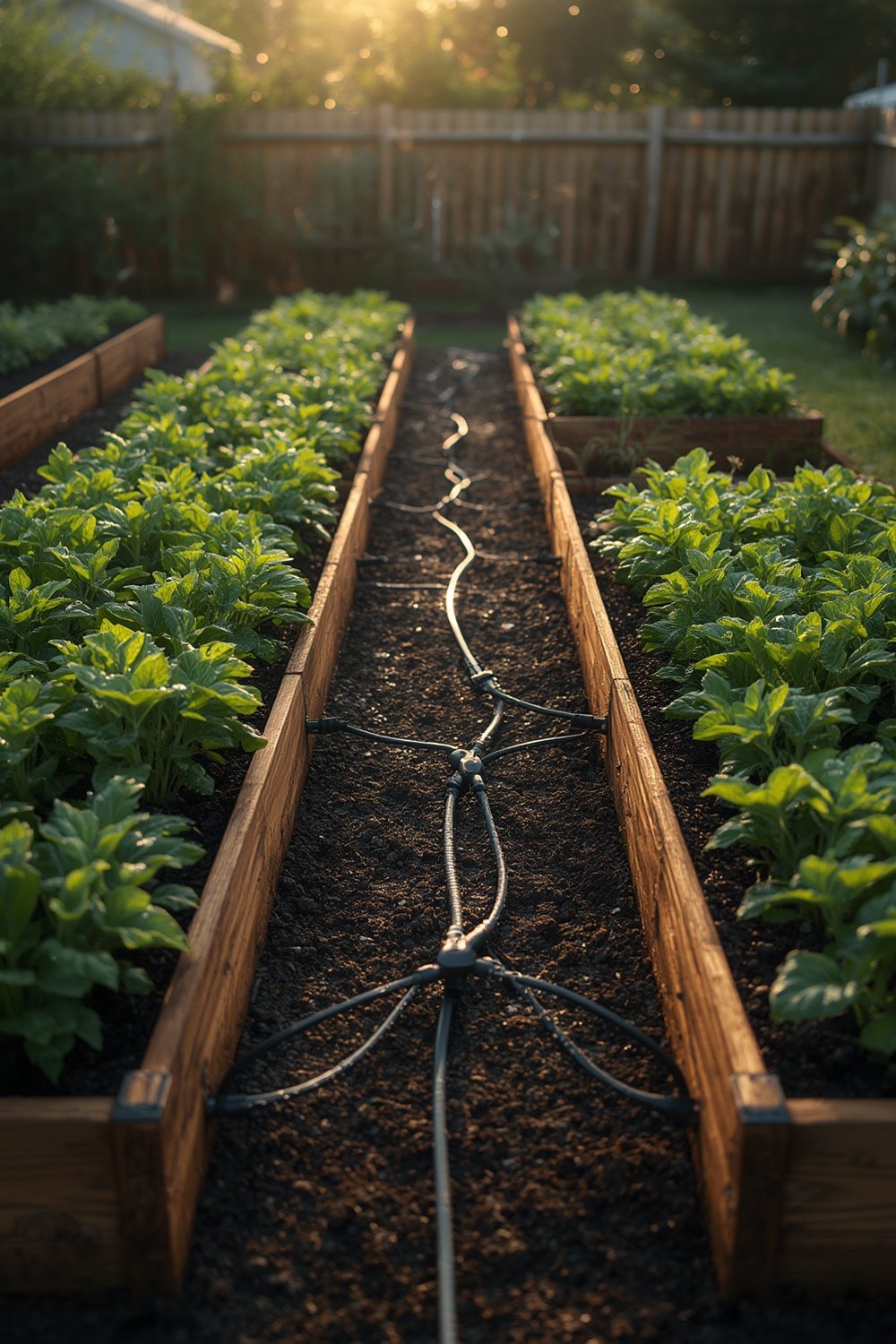
Automated raised bed irrigation systems, especially those featuring soil moisture sensors, can cut water use by 20-72% compared to manual watering, based on recent research (Oklahoma State University Extension and Earth911). These systems also lighten your workload—a big reason why many gardeners are making the switch.
In dry climates or summer heat, efficient irrigation prevents plant stress and improves yields. Plus, because water is delivered right where it’s needed, raised beds stay healthier with less disease risk from wet foliage.
Step-by-Step Guide: Installing an Efficient Raised Bed Irrigation System
Building your own raised bed irrigation system doesn’t have to be daunting. Follow these steps for long-term results—whether you’re a DIY gardener or looking for a small-scale automation solution.
-
Plan your layout and water source
Sketch your raised bed dimensions. Plan how many drip lines or soaker hoses fit comfortably inside. Decide if you’ll tap into a garden hose faucet, rain barrel, or permanent water supply.
-
Choose your main line and emitters
For most 4-foot beds, run two parallel drip lines spaced 18 inches apart. Choose emitters (0.5 to 1 gallon per hour) that match your soil and plant types.
-
Install a backflow preventer and filter
These protect your home water supply and keep your lines free from debris. Install them at the tap or connection point before your irrigation timer or controller.
-
Use a pressure regulator
Raised beds need low-pressure irrigation—typically 10-30 PSI. Excess pressure can burst lines or cause emitters to pop off. Always use a pressure regulator rated for drip systems.
-
Lay out drip tubing and secure it
Position tubing 12-18 inches apart along the length of the bed. Secure with stakes every 2-3 feet to prevent shifting. Cap the ends with removable flush valves for maintenance.
-
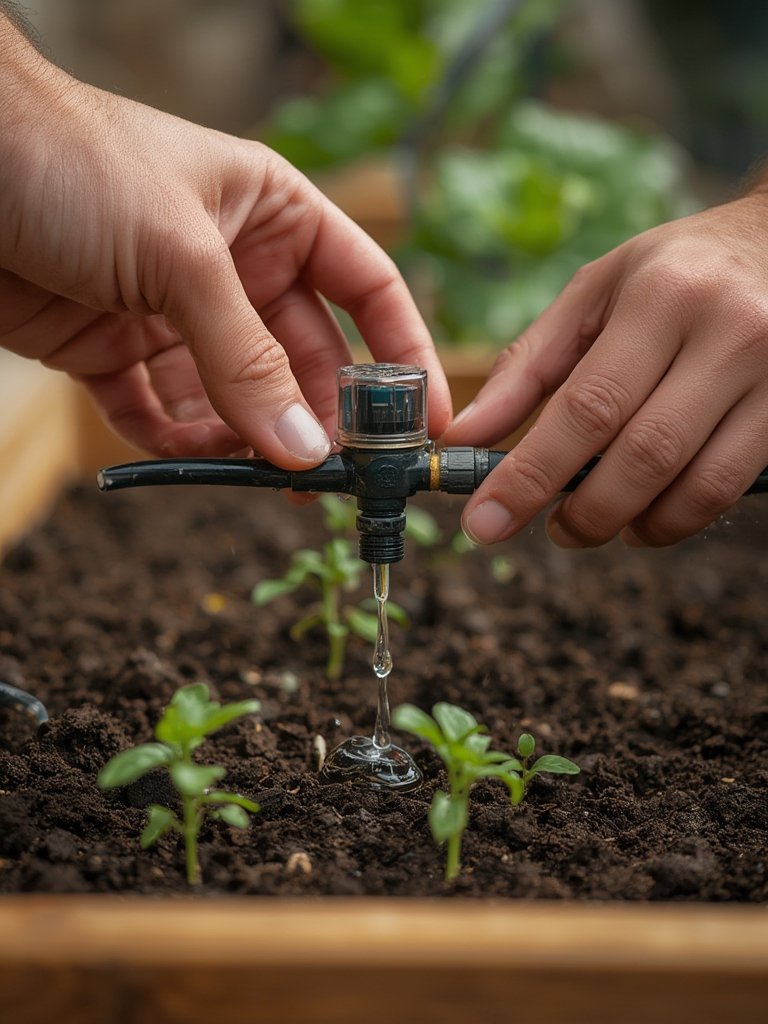
Install an automated timer or smart controller (optional)
If you travel or want to automate watering, set up a smart timer or controller that can sense moisture and adjust schedules. Options with smartphone apps let you make changes remotely. For recommendations, explore innovations like the GWX100 or LoRaWAN soil sensors on StartUs Insights.
-
Test the system and adjust
Turn the water on and check for leaks, blockages, or uneven watering. Adjust your timer and emitter spacing as needed. Walk your beds every few weeks to clear blockages and flush the lines if water flow slows.
-
Set a smart watering schedule
If using a smart or automated controller, let it run with default settings for a week and observe soil moisture. Most beds need deep watering 1-3 times per week, but smart sensors may irrigate less during wet periods or more during extreme heat—optimizing plant health and resource use (Extension OKState).
Want to upgrade your entire landscape? Check out these expert landscaping strategies.
Advanced Analysis & Common Pitfalls
Even the best raised bed irrigation system can hit snags. Here are common pitfalls and practical solutions—plus a clear cost breakdown for your planning.
Common Mistakes Gardeners Should Avoid
- Incorrect emitter spacing: Too far apart leads to dry spots and stressed plants, while excess overlap wastes water and raises disease risk.
- Pressure problems: Running at household pressure without a regulator can rupture tubing or shoot emitters loose. Always regulate pressure for drip
- Skipping filters and backflow prevention: Small debris clogs emitters quickly—especially in raised beds with rich organic soil or mulch atop the tubing.
- Lack of seasonal flushing: Sediment buildup and root infiltration block tubing. Open end caps and flush each spring and fall.
- Poor scheduling: Even smart systems underperform if schedules are not adjusted for plant needs and rainfall.
Cost Breakdown: DIY vs. Pre-made Automated Systems
| Item | DIY Raised Bed Drip Kit (4×8’ bed, 1 bed) |
Pre-made Automated System |
|---|---|---|
| Drip Lines & Fittings | $45-$80 | Included in kit |
| Manual Timer | $15-$40 | n/a |
| Smart Controller/Sensors | Optional $70-$300+ | $280-$1,800 (soil moisture controller) |
| Rain Sensor | $30-$200 (wired/wireless) | Included or add-on |
| Labor | DIY: Your time Pro install: $100-$350 per bed |
Included with some systems or quote-based |
| Maintenance | Minimal: seasonal flushing, annual sensor check $10-$20 |
Annual sensor checks/replacement $20-$50/year |
| Total (est.) | $90-$400 (DIY, basic to smart) | $350-$2,000+ (highly automated) |
Realistic Limitations and Downsides
- Automated systems can malfunction—especially if sensors get blocked or software errors occur. Always check hardware and app alerts monthly.
- No published, climate-specific irrigation schedules for raised beds existed as of 2024. Most smart controllers “learn” as they go, but you’ll need to adjust for extreme heatwaves or local droughts. Learn from your plants—wilting, yellow leaves, or dry surface soil = time to tweak the schedule.
- Initial cost of smart automation is substantial. If you only have one or two small beds, weigh the payback period versus the upfront investment.
- Tech complexity: Apps, firmware updates, and WiFi required for many advanced systems. If you’re tech-averse, manual timers may suit you better.
For a deep dive on optimizing water use in the garden, see this research on garden tech. Interested in wider home upgrades? Our guide to the home improvement landscape has additional tips for smart home integration.
Conclusion
A well-planned raised bed irrigation system saves water, boosts yields, and keeps your gardening routine on autopilot. While the latest smart automation boosts efficiency by up to 72%, these gains require upfront planning and ongoing adjustment. Prioritize proper layout, emitter spacing, and pressure control for dependable results. For more garden and home efficiency, explore our posts on DIY solar generators and energy-saving upgrades!
Ready to build your own raised bed irrigation system? Start simple, expand as your needs or budget allow, and check your system each season for best results.
FAQ
How much water can I save with a raised bed irrigation system?
Depending on the level of automation and controllers used, average water savings range from 20% to 72% versus hand watering. Smart soil moisture controllers save the most, especially during normal or wet years. Source
What happens if I use too much pressure in my drip irrigation lines?
Excess pressure can burst drip tubing, pop emitters loose, and create leaks. Always use a pressure regulator set to 10-30 PSI for raised bed systems to protect your investment.
Are automated irrigation systems suitable for all climates?
Yes, but schedules should be adjusted for rainfall and temperature extremes. Smart controllers that use real-time data adapt better. However, always monitor your beds and make manual tweaks during droughts or heavy rain. See garden irrigation research for more.
Can I install a raised bed irrigation system myself, or do I need a pro?
Many gardeners install basic systems themselves using kits. Tricky features like soil sensors or remote monitoring are best handled by professionals, especially if you’re not comfortable with plumbing or tech.
How often should I flush my irrigation lines?
Flush drip lines at least twice a year—once in early spring and again in fall—to prevent clogs and buildup. More frequent flushing is smart if you use heavy mulch or have a lot of sediment in your water.