



### Blog Post:
Fire sprinkler systems are essential for safeguarding lives and property in both residential and commercial buildings. With modern construction and increasing fire incidents, understanding their effectiveness, types, and the practical realities of installation and maintenance is more important than ever.
Key Takeaways
- Fire sprinkler systems have proven to reduce fire deaths by over 90% and are mandated in many new buildings over 5,000 square feet.
- Choosing the right system and regular maintenance are critical to avoid costly failures and maximize protection.
- Awareness of local regulations, common pitfalls, and practical installation steps help make smart, cost-effective decisions.
- What Are Fire Sprinkler Systems and Why Do Buildings Need Them?
- Step-by-Step Guide to Installing Fire Sprinkler Systems
- Advanced Analysis & Common Pitfalls
- Conclusion
- FAQ
What Are Fire Sprinkler Systems and Why Do Buildings Need Them?
Fire sprinkler systems are automatic fire suppression systems designed to detect and control fires quickly. Their main role is to reduce loss of life, limit property damage, and often lower insurance costs. Regulations increasingly require their installation due to their high effectiveness—especially in buildings larger than 5,000 square feet.
In 2024, the global fire sprinkler market reached USD 14.5 billion, with North America contributing 40% of global revenue, driven by strict regulations and safety awareness. In the U.S., sprinkler systems are now a core component of new residential, commercial, and industrial builds. According to the National Fire Sprinkler Association, these systems operate effectively in 89% of significant fires and can reduce fire-related deaths by over 90%.

The core components of a fire sprinkler system include:
- sprinkler heads—which discharge water when a pre-set temperature is reached
- Pipes and water supply—delivering water to affected zones
- control valves and alarms—to manage flow and alert emergency services
Whether you’re planning a new build or considering a retrofit, understanding system types and compliance is vital for both safety and legal reasons.
Step-by-Step Guide to Installing Fire Sprinkler Systems
Proper installation determines how reliably a fire sprinkler system will operate in a real emergency. Whether for a single-family home or a sprawling commercial space, a methodical approach is required.
- Conduct a risk assessment and site survey
Identify the type of occupancy, fire hazards, floor area, and water supply. Take precise measurements and note any special fire protection requirements. Commercial projects may need to consult with insurance or code officials.
- Choose the right fire sprinkler system type
Options include wet pipe (most common), dry pipe (for cold spaces), pre-action (for sensitive environments like server rooms), and deluge systems (high hazard). The project’s size, purpose, and local climate dictate the best choice.
- Create a detailed design plan
Work with a licensed fire protection engineer for larger projects. Detail head spacing, piping layout, water flow rates, and control valves according to local codes.
- Obtain permits and approvals
Submit plans to municipal fire authorities. Expect questions about water supply, backflow prevention, and integration with fire alarms or other life safety systems.
- Install pipes, valves, and sprinkler heads
Follow all manufacturer specifications and code requirements. Cut and fit pipes neatly along walls or ceilings. Use hangers to support lines and minimize vibration.
- Perform water pressure and leak tests
Test the system under operational pressure. Look for leaks, stuck valves, and ensure alarm and flow switches trigger correctly.
- Secure official inspection sign-off
No new system should be activated until local inspectors verify every aspect meets code.
- Train maintenance personnel and building users
Provide documentation and training on testing, shutting off heads, and reporting faults.
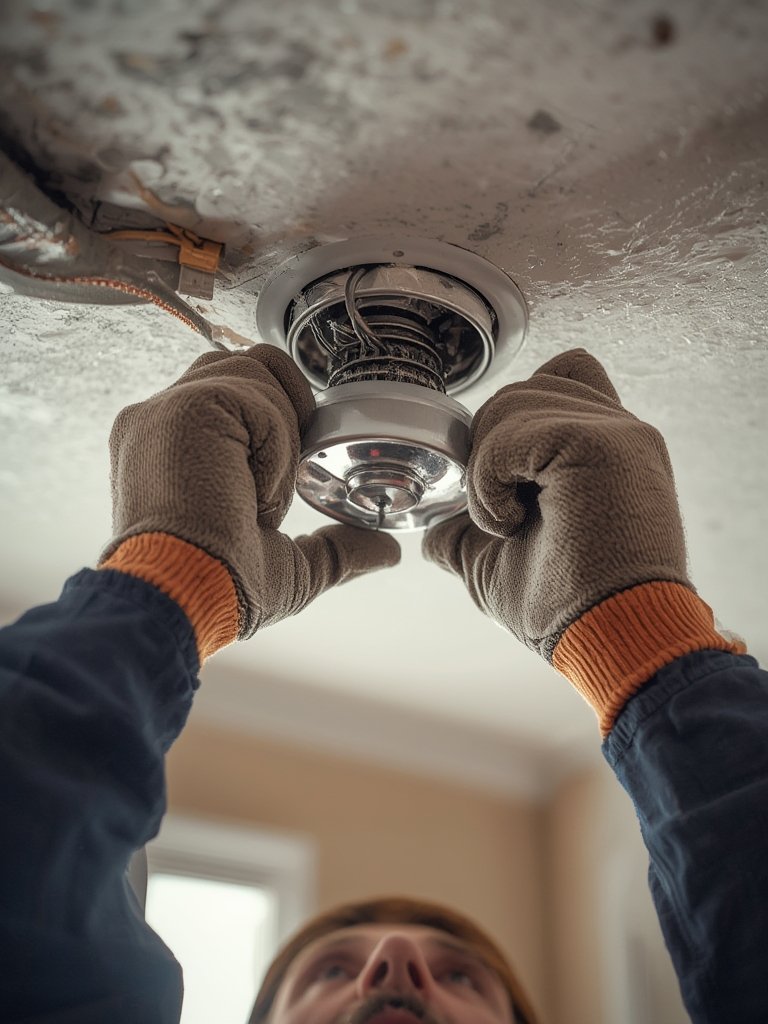
Commercial projects often require hydraulic calculations and specialized suppression methods, while residential systems are typically more straightforward. However, both must follow rigorous installation practices. It’s wise to plan alongside other home upgrades, like heat pump water heater rebates or diy solar generator installs, to optimize costs and timing.
For property owners focusing on resale value and insurance costs, learning about home improvement trends can offer further insights. See how integrating smart systems and fire sprinklers fits into the modern home improvement landscape.
Advanced Analysis & Common Pitfalls
Even as fire sprinkler systems save lives, their setup and upkeep come with tangible hurdles. Here are the challenges building owners and facility managers report most:
| Issue | Description | Impact |
|---|---|---|
| Retrofit installation in existing buildings | Complex routing, disruption to operations, perceived high cost | More labor; temporary closures; must weigh disruptions against fire risk reduction |
| System Type Selection | Confusion about wet, dry, pre-action, or deluge systems | Choosing wrong creates code issues or inefficient suppression |
| Code Compliance | Varied regional requirements (NFPA or local code) | Failed inspections, legal liability, or rejected insurance claims |
| Maintenance Gaps | Overlooking regular testing of valves, alarms, or water supply | System failure in emergencies—fire grows unchecked |
| Water Supply Issues | Insufficient flow or backflow risks | Poor suppression, water contamination, or fines |
Building owners sometimes worry about the cost of retrofits—especially in large or old structures. However, national data shows that compared to solutions like compartmentation or advanced alarms, sprinklers remain the most cost-effective way to save lives and meet insurance or code demands (source).
Another common pitfall is poor maintenance. Missing annual inspections or neglecting to test alarm valves can silently render a system useless. To avoid this, review fire protection as part of other yearly home or facility checks—just like owners seeking kitchen renovation cost breakdowns often review all safety systems at once.

If you manage large properties or commercial spaces, it’s also critical to coordinate fire sprinkler planning with other outdoor projects like landscaping services since water pressure or mainlines can be affected by new irrigation or yard design.
Conclusion
A modern, properly installed and maintained fire sprinkler system is the single most effective safeguard against devastating fires. They drastically reduce death risk and property loss, are required in many new buildings, and can even lower long-term operating costs. Whether you’re a homeowner, facility manager, or builder, making well-informed choices—and being aware of pitfalls—will ensure your fire sprinkler systems deliver real protection when it matters most.
Ready to protect your property? Consult a licensed fire sprinkler professional to start your installation or schedule a thorough maintenance check today.
FAQ
How effective are fire sprinkler systems compared to smoke alarms?
Sprinklers actively suppress fires, while smoke alarms only alert building occupants. Data shows sprinklers reduce fire deaths by over 90%, whereas smoke alarms only warn but do not suppress fire spread.
Are fire sprinkler systems required in all new homes?
Codes vary, but in many U.S. municipalities, sprinkler systems are mandatory in new buildings over 5,000 sq. ft., and in most high-rise constructions.
What is the average lifespan of a fire sprinkler system?
With proper maintenance, most systems last 30–50 years. Regular checks of heads, valves, and water supply are key to longevity.
Can fire sprinkler systems go off accidentally?
Accidental activation is rare and usually results from mechanical damage or improper installation. Using quality components and hiring professionals mitigate this risk.
How often should I schedule maintenance for my fire sprinkler system?
Minimum annual inspections are required by fire codes. Some components, like alarm valves, need quarterly or even monthly checks for high-risk properties.