



Top turf lawn care has become a game changer for property owners who want exceptional lawn aesthetics with lower resource use. Whether for your home, business, or golf course, understanding the best varieties, science-backed steps, and possible pitfalls ensures your turf stays lush, healthy, and low maintenance in 2024.
Key Takeaways
- The latest turf grass varieties—like Piper and Diplomacy bentgrass or Cobalt St. Augustine—excel under reduced water, fertilizer, and pesticide conditions.
- Effective weed control and proper fertilizer scheduling are crucial but sometimes poorly addressed by mainstream advice.
- Common pitfalls include overwatering, fertilizer missteps, and tackling persistent weeds like goosegrass without a science-backed plan.
- What Is Top Turf Lawn Care and Why Does It Matter?
- Step-by-Step Guide to Achieve Top Turf Lawn Results
- Advanced Analysis & Common Pitfalls in Top Turf Lawn Care
- Conclusion: Your Path to Top Turf Lawn Success
- Frequently Asked Questions
What Is Top Turf Lawn Care and Why Does It Matter?
Top turf lawn care means using elite turf grass types—like modern bentgrass, St. Augustine, and bluegrass—managed with the latest methods for the healthiest, most attractive, and resilient lawns. The right approach delivers a dense, weed-resistant surface with minimal environmental impact.
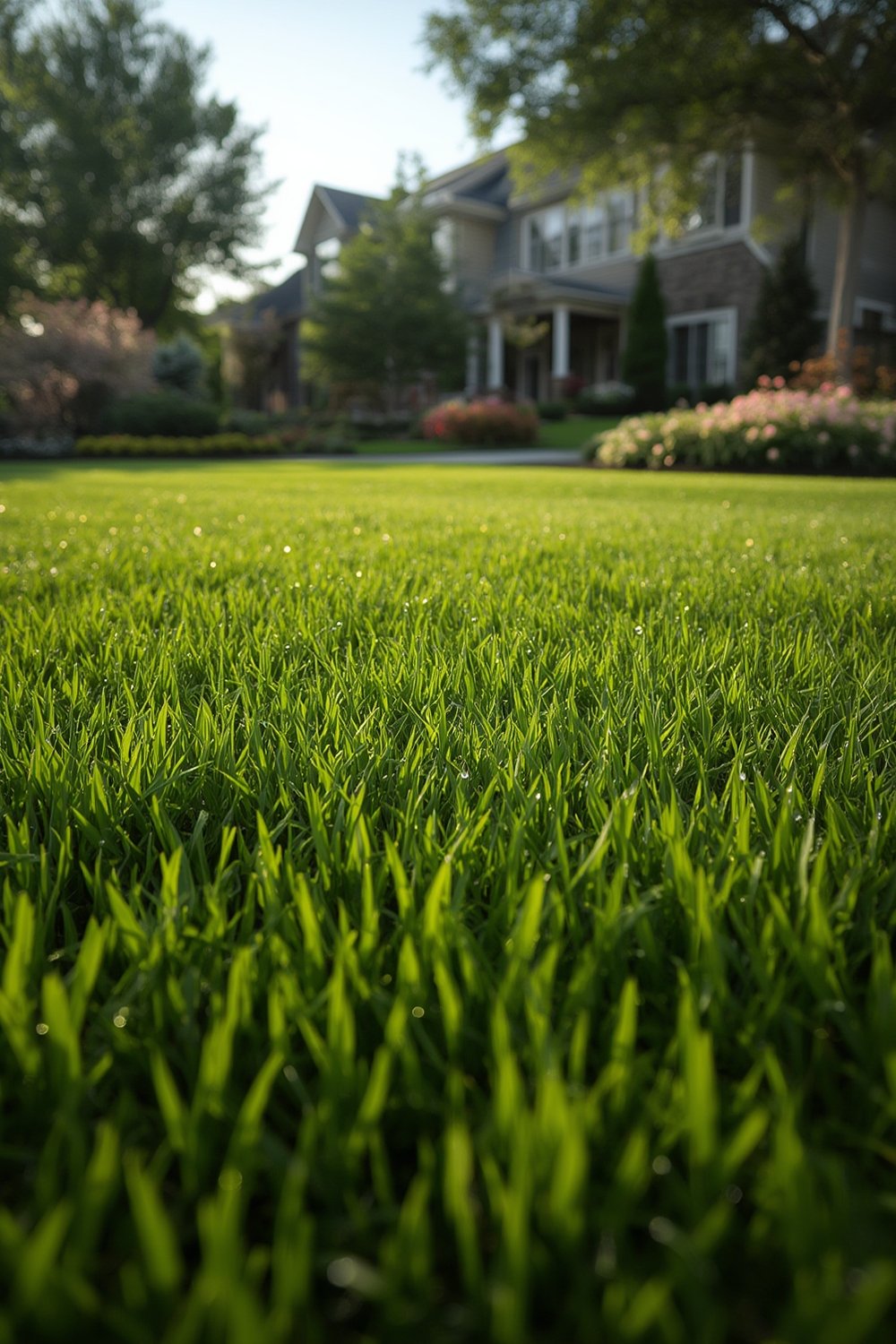
Recent university trials reveal which turf varieties truly perform:
- Piper and Diplomacy (Creeping Bentgrass): In 2024, A-LIST trials at Ohio State University rated these highest for visual turf quality (scores of 6.8/9) even with low fertilizer and water. Learn more from Ohio State’s turf trial data.
- Cobalt St. Augustine: Texas A&M’s 2024 findings show this grass uses roughly half the water of typical St. Augustine but retains high curb appeal, especially valuable in drought-prone regions (Texas A&M AgriLife Program).
- Kentucky Bluegrass: Still the top choice for wear-resistance and sports turf, dominating 29.5% of the global market as of 2024 (market report).
Adopting these newer grass breeds and informed care practices can lead to less water use, fewer chemicals, and less mowing, all while achieving a healthier, stronger lawn. If you’re also thinking about landscaping upgrades, check out these expert landscaping tips.
Step-by-Step Guide to Achieve Top Turf Lawn Results
Follow these actionable steps to create and maintain a best-in-class turf lawn, while avoiding the mistakes most homeowners and businesses make.
- Choose the Ideal Turf Variety for Your Climate
- For northern/cool-season climates: Consider Kentucky bluegrass or Diplomacy bentgrass.
- For southern/warm-season areas: Try Cobalt St. Augustine or overseeded tall fescue for minimal irrigation and mowing.
- Consult local cooperative extensions for region-specific recommendations.
- Prep and Install the Lawn
- Remove old grass/weeds by solarizing or applying a targeted, approved herbicide.
- Amend soil with compost or sand to improve drainage and texture if needed.
- Install sod or seed at the recommended rate for your chosen grass. Keep moist until well-rooted.
- Establish a Turf-Specific Fertilizer Schedule
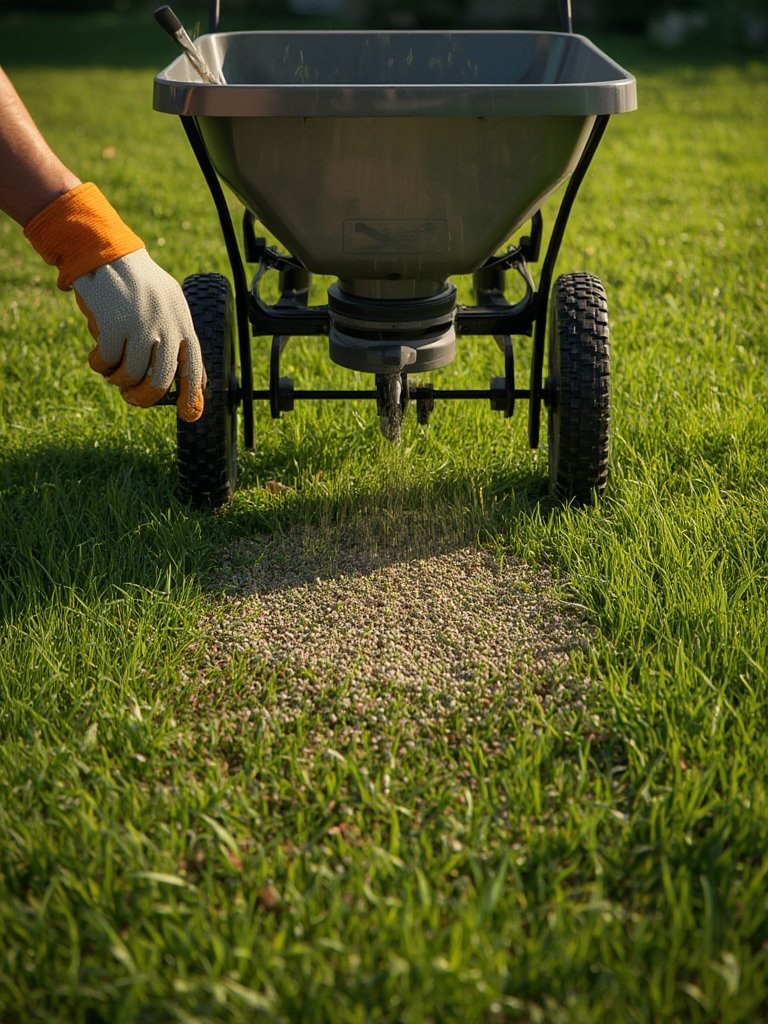
- Apply a slow-release, balanced fertilizer matched to your grass species. Piper/Diplomacy bentgrasses thrive with as little as 2.1–2.3 lb N/1000 sq ft/year (Ohio State data).
- Divide annual fertilizer into 2–4 applications during peak growth periods to reduce leaching and waste.
- Water for Deep Roots—Not Every Day
- Adjust for weather and rainfall. Cobalt St. Augustine can use 50% less water with proper deep, infrequent irrigation.
- Best practice: Water to saturate roots 1–2 times weekly in most climates.
- Proactive Weed and Disease Control
- Stay ahead of common weeds like goosegrass with split-rate herbicide applications—University of Minnesota’s 2024 research shows six biweekly topramezone treatments provide optimal results (U of M turf research).
- Avoid overwatering and excess nitrogen, which encourage dollar spot and brown patch fungi.
- Set mower blades high (3–4 inches) to shade out most weed seeds.
- Practice Smart Mowing Techniques
- Always mow with sharp blades. Dull cuts stress grass and open doors to disease.
- Change mowing directions regularly and never cut more than 1/3 of the grass blade at one time.
- Recycle clippings to add nutrients and organic matter unless you spot disease.
When in doubt or facing unique local issues, consult a trusted landscape pro—find the best with these landscaping tips.
If you are in Austin, specialized help is available with professional lawn mowing solutions for every budget and lawn type.
Advanced Analysis & Common Pitfalls in Top Turf Lawn Care
Even the best lawns run into problems—use this section to anticipate and avoid the classic mistakes seen in both research and user experience.
Where Most Turf Projects Go Wrong
- Ignoring Soil Health: Skipping soil tests leads to mismatched fertilizer and persistent weed or disease issues.
- Overwatering: Especially in climates suited for low-water grasses like Cobalt St. Augustine. Too much water reduces root depth and creates prime fungus conditions.
- Poor Fertilizer Timing: Applying nitrogen at the wrong time (such as during summer heat for cool-season grasses) wastes nutrients and weakens turf.
- Ineffective Weed/Disease Control: Relying on single-shot herbicides for tough weeds like goosegrass leads to resistance and poor results. Use recent university-backed split-application protocols instead.
- Neglecting Blade Sharpness & Mowing Frequency: Dull mower blades and infrequent mowing stress grass and increase weed and disease risk.
Comparison: Modern Turf Strategies vs. Traditional Methods
| Approach | Water Use | Input Cost | Turf Health | Weed/Disease Risk | Environmental Impact |
|---|---|---|---|---|---|
| Traditional (Old Varieties & High Input) | Very High | High | Seasonally Variable | Greater | Significant |
| Modern (2024 Top Turf Best Practices) | Low to Moderate | Lower (over time) | Consistent & Strong | Lower (with proven protocol) | Reduced |
For anyone planning broader home upgrades, related articles on modern home improvement trends can help integrate your new turf seamlessly into your landscape and curb appeal.
Conclusion: Your Path to Top Turf Lawn Success
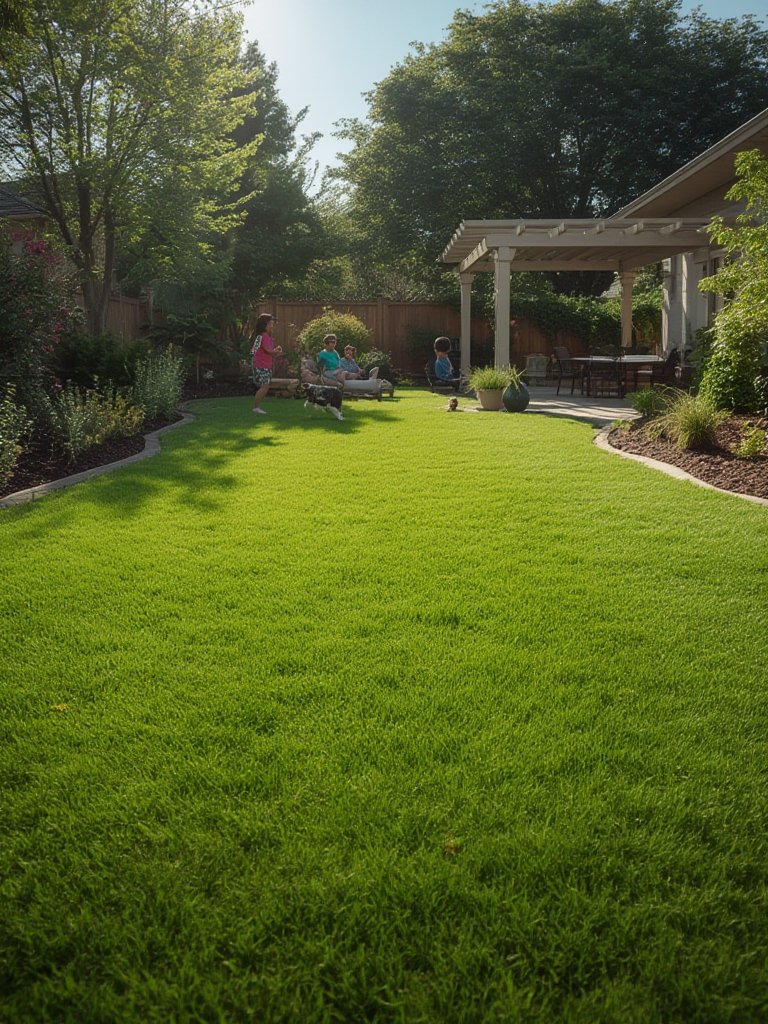
Choosing proven turf grass varieties and using updated, research-backed care techniques have changed what’s possible for American lawns. Whether you’re after a showpiece yard or a low-input commercial property, top turf lawn care lets you achieve it while using fewer resources and less effort.
Ready to upgrade? Test your soil, select a modern variety, and follow the steps above—or connect with landscape professionals who specialize in these new techniques. Don’t wait—start building your best lawn today.
Planning more than just your lawn? Get tips on saving money throughout your home—from kitchen renovations to energy-saving rebates.
Frequently Asked Questions
Which turf grass variety needs the least water and care?
Cobalt St. Augustine, released in Texas in 2022, reportedly uses about half as much irrigation as industry standards while maintaining quality. Diplomacy or Piper creeping bentgrass are best for northern/fine turf with low fertilizer and water.
How do I control persistent weeds like goosegrass in my turf?
Use split-rate applications of topramezone, applied about every two weeks as shown by 2024 University of Minnesota trials, for safer, more effective results than one-time or traditional treatments.
What are the signs I’m overwatering my lawn?
Wet, squishy ground, recurring fungal spots, and shallow turf roots are classic signs. If you see more weeds or diseases than usual, review your watering routine and soil type.
How should fertilizer timing differ for cool-season versus warm-season grasses?
Cool-season grasses like bluegrass or bentgrass should get most of their fertilizer in late spring and early fall. Warm-season types like St. Augustine or bermudagrass benefit from fertilization in late spring through summer’s peak growth.
Is there an easy way to find reputable pros for turf care or landscaping?
Yes! Use these expert tips to find the best landscaping services near you to make sure you get experienced professionals.