


Mold resistant drywall is changing the way homeowners tackle moisture and mold problems, especially in bathrooms and other high-humidity spaces. This practical guide covers what works, what doesn’t, and how to install it right—avoiding the expensive pitfalls that can ruin a renovation.
Key Takeaways
- Mold resistant drywall reduces, but does not eliminate, mold growth risk—proper installation and moisture control are vital.
- Common installation mistakes and incompatible finishing materials can undermine long-term mold resistance.
- Initial costs are slightly higher than standard drywall, but savings arise from fewer future mold remediation expenses and repairs.
- What Is Mold Resistant Drywall and Why Use It?
- Step-by-Step: Using Mold Resistant Drywall in Bathrooms
- Advanced Analysis & Common Pitfalls
- Conclusion
- FAQ
What Is Mold Resistant Drywall and Why Use It?
Mold resistant drywall is designed to slow down or prevent the growth of mold in areas with high moisture. Standard drywall consists of a gypsum core wrapped in paper, which soaks up moisture and provides an organic food source for mold, especially behind walls. Mold resistant drywall swaps out or coats this paper facing with fiberglass or other non-organic materials, lowering moisture absorption and blocking the conditions mold needs to thrive in bathrooms, laundry rooms, and basements.
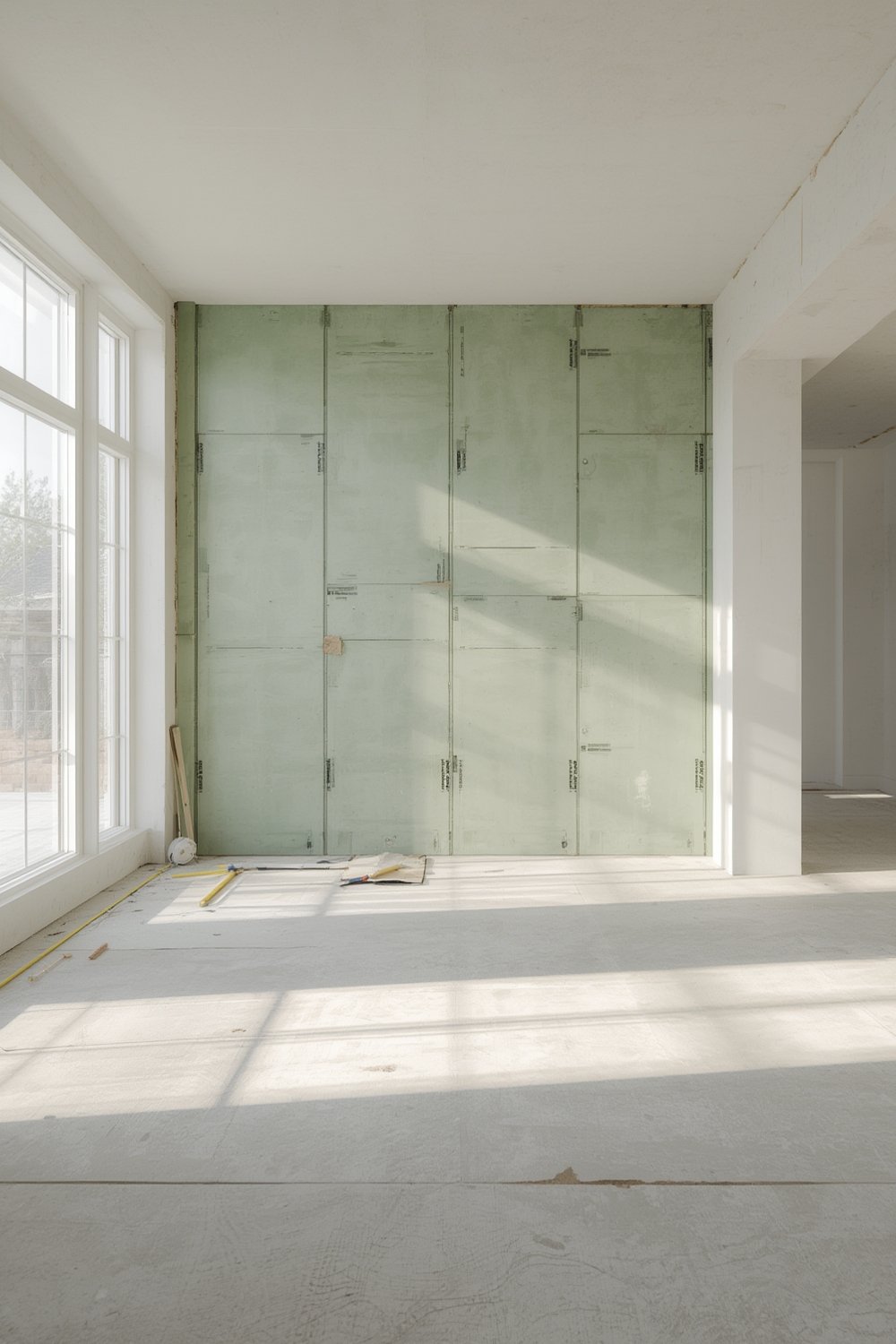
While there are no 2024 statistics directly comparing mold growth between standard and mold resistant drywall, building science experts and industry sources confirm that traditional drywall can develop visible and hidden mold just 24 to 48 hours after exposure. Mold resistant versions buy you valuable time, resist hidden outbreaks, and are now strongly recommended for modern bathroom renovations and high-moisture zones.
Other advantages include a range of ASTM compliance (for fire and moisture resistance), special coatings to block vapor, and an upgrade in durability for wet locations—provided installation is done right. Many homeowners choose mold resistant drywall as part of comprehensive home improvement, alongside other efficiency upgrades, such as a heat pump water heater or smart thermostat with AI.
Step-by-Step: Using Mold Resistant Drywall in Bathrooms
To get the full benefits of mold resistant drywall in your bathroom, follow these practical steps for purchase, storage, installation, and finishing.
- Choose the right product: Select drywall labeled as “mold-resistant” or “moisture-resistant”—for bathrooms, fiberglass-faced panels offer the best defense. Check for ASTM compliance and specialty coatings.
- Store it properly: Keep panels in a dry, ventilated space until installation. Moisture absorption during storage is a common, costly mistake (source).
- Check the space for moisture problems: Repair leaks. Run dehumidifiers or fans before you start. Don’t install over damp wall cavities.
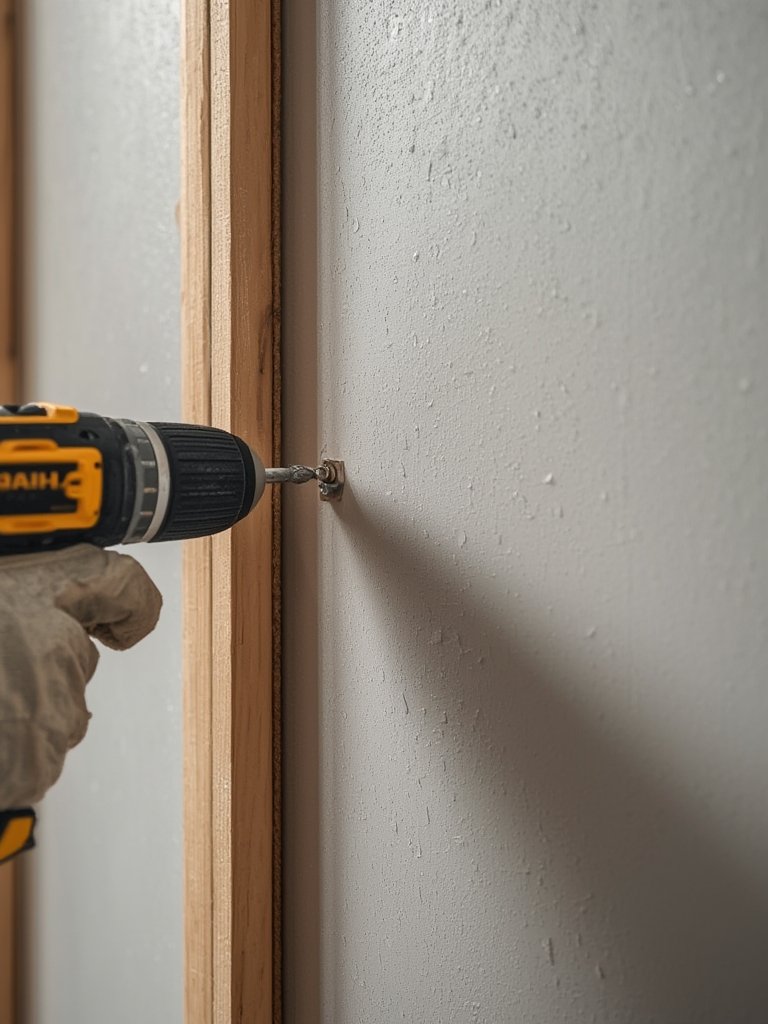
- Install carefully: Attach drywall with screws, not nails. Leave a small gap at floor level to avoid soaking up standing water.
- Seal all seams with mold-resistant joint compound: Standard joint compounds can harbor mold even on mold resistant panels (source).
- Prime and paint: Use only moisture-resistant primer and paint for added defense. Pay special attention to corners, shower surrounds, and gaps around windows or doors.
- Boost bathroom ventilation: Run an exhaust fan during and after showers. Keep humidity below 50% whenever possible to reduce risk (source).
- Avoid vapor retarders on the wrong side: Never install a vapor retarder on the stud side, especially in unheated or seasonal bathrooms. This traps moisture and causes more problems than it solves (source).
For a full bathroom upgrade, consider pairing your mold resistant drywall with other smart home improvements, such as DIY solar generator solutions or exploring soundproofing options for privacy and comfort.
Advanced Analysis & Common Pitfalls
Even the best mold resistant drywall can fail if mistakes are made during purchase, storage, or finishing. Here’s a look at realistic issues reported by homeowners and contractors—and what you can do to avoid them.
Top Installation Challenges and User Complaints
- Rough surface on fiberglass-faced boards: Fiberglass options defend best against mold, but the rough texture makes finishing tricky. You’ll often need extra skim coating to get smooth, paintable results.
- Incompatible materials: Many guides omit the need for mold resistant joint compound at seams, allowing mold to flourish at drywall joints.
- Material handling and waste: Both standard and mold resistant board can crumble or break during transport and cutting, leading to higher waste and cost.
- Moisture during storage: Premature moisture exposure before installation encourages mold growth that may only appear months later, especially if stored in garages or basements.
- Poor ventilation after installation: Without good airflow, even mold resistant walls can eventually absorb enough moisture to foster mold—especially if shower steam isn’t vented and humidity remains high.
- Vapor retarder misuse: Installing vapor barriers on the wrong side (stud side) can trap moisture inside, especially in unheated or seasonal bathrooms, accelerating panel deterioration.
Comparison: Mold Resistant vs. Standard Drywall for Bathroom Use
| Feature | Standard Drywall | Mold Resistant Drywall |
|---|---|---|
| Surface Material | Paper facing; absorbs moisture | Fiberglass or special coating; resists absorption |
| Core Content | Gypsum, sometimes with defects (sulfur) | Gypsum with mold-inhibitor additives |
| Mold Growth Risk | High after 24-48 hours if wet | Greatly reduced; still depends on environment |
| Installation Cost | Lowest; needs frequent replacement if wet | Slight premium (few dollars extra per sheet) |
| Remediation Cost | High; requires removal, disposal, disinfection | Lower; less likely to need replacement |
| Finishing Needs | Standard paint/compound | Mold resistant compound and primer, often skim coating |
Three Overlooked Considerations
- Finishing products must match: Top competitor guides often fail to mention that using standard joint compound cancels out mold resistance at the drywall seams.
- Zoning for temperature swings: Using mold resistant panels in unheated or seasonal rooms can be “overkill” if not coupled with active moisture management.
- Vapor retarder mistakes: Always check with the manufacturer—wrong-side vapor retarders can trap water and destroy even the best panels.
Learn more about broader home improvement tactics to boost your house’s durability and energy savings.
Conclusion
Mold resistant drywall is one of the smartest long-term upgrades you can make in any bathroom or high-moisture space. While no product totally eliminates mold risk, combining quality materials with smart installation—using only compatible finishing compounds and moisture control—makes all the difference over time. Remember to store and handle panels right, seal everything meticulously, and never rely on drywall alone for moisture management. Ready for your project? Review your space, gather materials, and install your mold resistant drywall for lasting peace of mind. If you want more tips or related cost-saving ideas, browse other actionable guides such as finding reliable landscaping services or optimizing your dog’s nutrition.
FAQ
Does mold resistant drywall completely prevent mold?
No. Mold resistant drywall reduces the conditions that allow mold to grow, but high humidity, leaks, or the use of standard finishing materials can still encourage mold, especially if installation mistakes are made.
Can I use regular joint compound with mold resistant drywall?
No. Regular joint compound is not mold-resistant and can harbor mold at the seams. Always use a joint compound specifically labeled as mold-resistant to maintain the wall’s integrity and protection.
Is mold resistant drywall worth the higher cost?
Yes, especially in bathrooms, basements, and laundry areas. The initial extra cost is minor compared to the expense and disruption of mold remediation or panel replacement in the future.
What’s the difference between green board and true mold resistant drywall?
Green board is water-resistant but not specifically designed for mold resistance and is less effective. True mold resistant drywall uses special facings like fiberglass and advanced coatings to block both water and mold more reliably.
Should I install mold resistant drywall in every room?
That’s not necessary. Reserve it for areas where moisture and humidity are highest. For living rooms, bedrooms, and dry spaces, standard drywall works—and saves money.