


Table of Contents
Best dog food for puppies is essential for healthy growth, strong bones, and proper brain development during your puppy’s most important life stage. Puppies grow rapidly, and the food you choose today directly affects their long-term health, behavior, and energy levels.
This guide explains why puppy nutrition matters and how choosing the right food can help your puppy thrive.
1. Why Puppy Nutrition Is Important
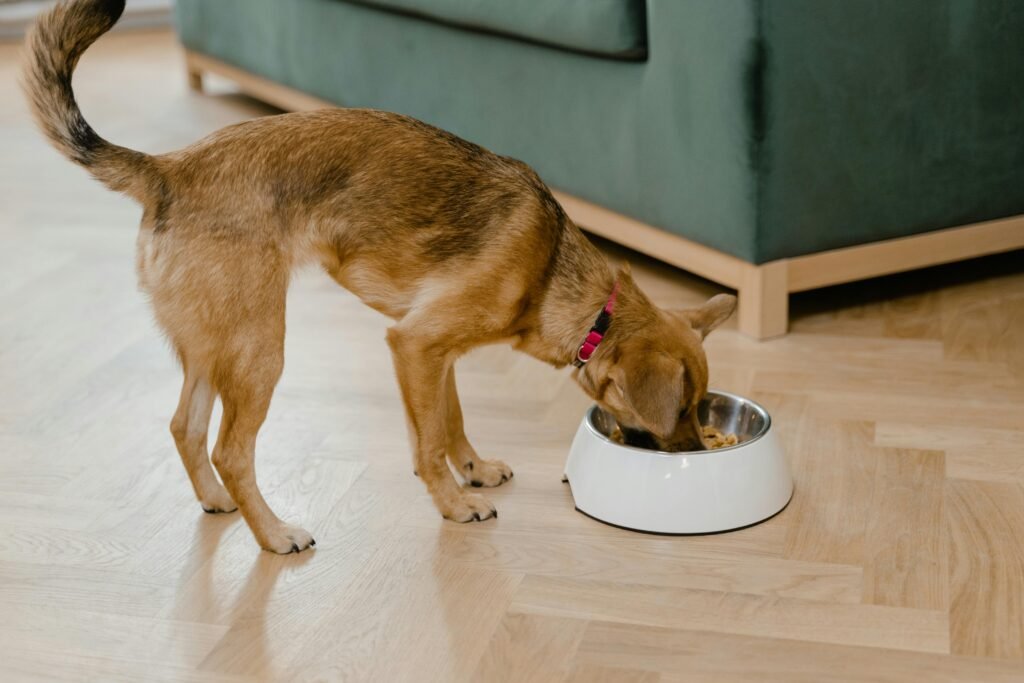
The best dog food for puppies provides the nutrients needed for rapid physical and mental development. Puppies require more protein, fat, and calories than adult dogs.
Poor nutrition during this stage can lead to:
- Weak immune systems
- Bone and joint problems
- Digestive issues
- Low energy levels
Starting with high-quality puppy food builds a strong foundation for life.
2. What Makes the Best Dog Food for Puppies
When choosing the best dog food for puppies, look for formulas specifically labeled for growth or all life stages.
Key ingredients include:
- Real meat as the first ingredient
- DHA for brain and eye development
- Calcium and phosphorus for bone growth
- Omega-3 fatty acids for skin and coat health
According to nutritional standards set by the Association of American Feed Control Officials (AAFCO), puppy food must meet strict growth requirements.
👉 https://www.aafco.org
3. Ingredients to Avoid in Puppy Food
Not all puppy foods are created equal. Avoid products that contain:
- Artificial colors or preservatives
- Excessive fillers like corn or wheat
- Meat by-products with unclear sources
- Added sugars or syrups
Low-quality ingredients reduce the effectiveness of even popular brands.
4. Dry vs Wet Puppy Food: Which Is Better?
The best dog food for puppies can be dry, wet, or a combination of both.
Dry puppy food benefits:
- Helps support dental health
- More affordable
- Easy to store and measure
Wet puppy food benefits:
- Higher moisture content
- Easier to chew for small breeds
- More appealing taste
Many veterinarians recommend mixing both for balanced nutrition.
5. Vet-Approved Puppy Food Guidelines
Veterinarians recommend choosing puppy food backed by research and feeding trials. Trusted organizations like the American Kennel Club (AKC) provide helpful puppy nutrition advice.
👉 https://www.akc.org
Always consult your vet if your puppy has allergies, sensitivities, or breed-specific needs.
6. Feeding Schedule for Puppies
Feeding frequency is just as important as food quality.
General feeding guidelines:
- 8–12 weeks: 4 meals per day
- 3–6 months: 3 meals per day
- 6–12 months: 2 meals per day
Consistent feeding times support digestion and training routines.
7. Long-Term Benefits of the Best Dog Food for Puppies
Choosing the best dog food for puppies supports:
- Strong bones and joints
- Healthy digestion
- Improved immunity
- Shiny coat and healthy skin
- Better behavior and energy levels
Good nutrition early in life reduces health problems later on.
For more guidance on raising a healthy puppy, check out our puppy care tips guide.
Frequently Asked Questions (FAQs)
1. What is the best dog food for puppies?
The best dog food for puppies is a nutritionally balanced formula that supports growth, brain development, and strong immunity. Look for real meat, DHA, calcium, and omega-3 fatty acids.
2. How often should I feed my puppy?
Puppies need multiple meals per day:
- 8–12 weeks: 4 meals/day
- 3–6 months: 3 meals/day
- 6–12 months: 2 meals/day
Consistent feeding schedules help with digestion and training.
3. Can I give my puppy adult dog food?
No. Adult dog food lacks the necessary nutrients and calories for rapid puppy growth. Always choose food labeled specifically for puppies or all life stages.
4. Should I choose dry or wet puppy food?
Both have benefits. Dry food supports dental health and is easier to store, while wet food provides moisture and flavor. Many vets recommend a combination feeding approach.
5. How do I know if my puppy food is high-quality?
Check the ingredients: real meat first, no fillers or artificial preservatives, and AAFCO-approved formulas. Vet recommendations and positive reviews also help identify quality brands.
6. When can I switch my puppy to adult dog food?
Most puppies can transition to adult dog food around 12 months of age, but this depends on breed and size. Consult your veterinarian for guidance.
Conclusion
Choosing the best dog food for puppies is one of the most important decisions you can make for your puppy’s health and future well-being. Proper nutrition during the early growth stage supports strong bones, healthy digestion, brain development, and long-term immunity.
By focusing on high-quality ingredients, vet-approved formulas, and a consistent feeding schedule, you give your puppy the best possible start in life. Always read labels carefully, avoid low-quality fillers, and consult your veterinarian if you’re unsure which food is right for your puppy’s specific needs.
Investing in the best dog food for puppies today means fewer health problems tomorrow—and a happier, more energetic companion for years to come.
[…] to optimize other aspects of your home? If you’re also a pet owner, you may find our guide on choosing the best dog food for puppies useful, and our actionable advice on finding expert landscaping services might help with curb […]