



### Blog Post:
25′ garden hose options are more popular than ever for small yards, patios, and quick watering jobs. But not all hoses are built the same, and a bad pick can mean endless wrestling with kinks or leaks. This guide covers what you need, common challenges, and hard-won advice drawn from extensive market research.
Key Takeaways
- Durability, kink-resistance, and connector quality remain top concerns for 25′ garden hose shoppers.
- Material and design (vinyl, rubber, expandable hybrids) directly impact flexibility and convenience.
- Real-world performance often matters more than brand — know what to check before buying.
- What Makes a 25′ Garden Hose the Right Choice?
- How to Choose (and Use) Your 25′ Garden Hose: Step-by-Step
- Advanced Analysis & Common Pitfalls with 25′ Hoses
- Conclusion
- FAQs
What Makes a 25′ Garden Hose the Right Choice?
25′ garden hoses hit the sweet spot for many homeowners and urban gardeners. For spaces like patios, condos, balconies, or small lawns, a longer 50-foot or 100-foot hose just adds weight and bulk. A 25-foot model offers easier storage, lighter handling, and enough reach for most targeted tasks—like flower beds, raised beds, or even washing a car in the driveway.
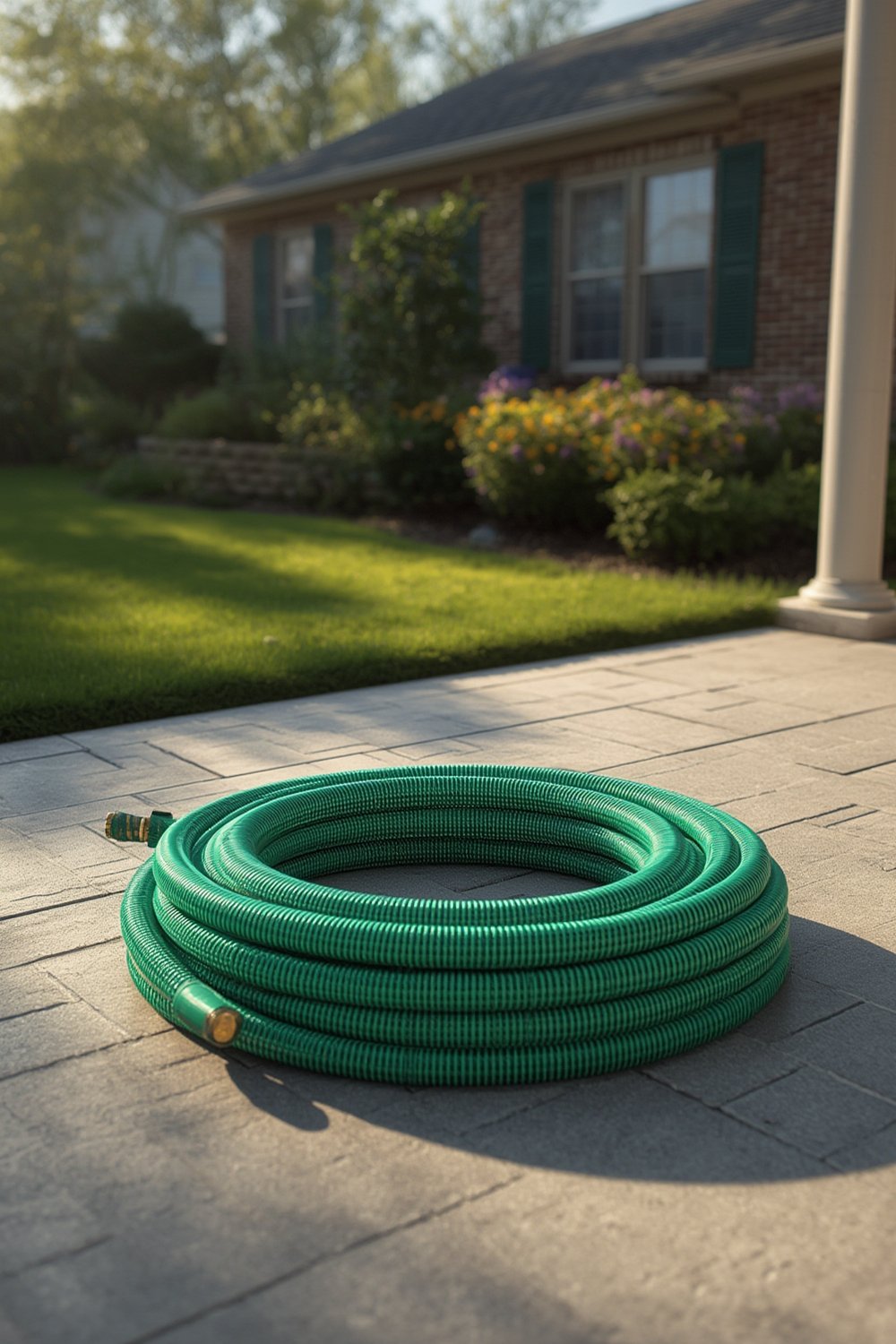
Most leading brands, such as Pocket Hose, Teknor Apex, Swan Products, and Bionic Steel Hose, manufacture 25-foot options, yet individual sales rankings by hose length remain unreported in industry data. Market research shows hoses up to 25 feet form a distinct category but don’t isolate the performance or popularity of this exact size.
The core appeal of a 25′ garden hose lies in simplicity and maneuverability. For anyone frustrated by unwieldy, heavy hoses, or for those with tight storage, this length dramatically reduces hassle—especially with modern kink-resistant and lightweight materials. Expandable designs, which shrink when empty, are particularly ideal for urban dwellers with limited space.
Still, no product is perfect. Even top-rated 25-foot hoses can suffer from kinking, poor connector quality, or wear-and-tear issues. As garden needs and available space evolve—whether you’re upgrading your outdoor layout (these landscaping tips might help) or simply maintaining a neat patio—the right 25-foot hose will serve as a reliable daily tool.
How to Choose (and Use) Your 25′ Garden Hose: Step-by-Step
Picking the best 25′ garden hose means balancing function, price, and real-life usability. Here’s an actionable process to get it right—and avoid buyer’s remorse.
-
Identify Your Space and Primary Tasks:
- For small patios, balconies, or tight garden beds, a 25-foot hose usually offers plenty of reach.
- A longer hose may be needed if you need to water a distant flower bed or wash a car parked far from your spigot.
-
Choose the Right Material:
- Rubber: Usually lasts longer and handles more abuse, but is heavier.
- Vinyl: Lighter, budget-friendly, flexible—but often less durable.
- Hybrid or Expandable: Very lightweight and easy to store, great for quick setups but sometimes less robust.
Medium-duty hoses with weather-resistant vinyl covers now dominate global sales for flexibility and cold weather usability.
-
Assess Kink Resistance and Burst Strength:
- While detailed PSI or burst-strength specs are rarely advertised for 25-foot models, a “kink-resistant” or “crush-proof” rating suggests stronger construction.
- If you want to use your hose year-round (even in winter), look for a model with added UV and cold resistance.
-
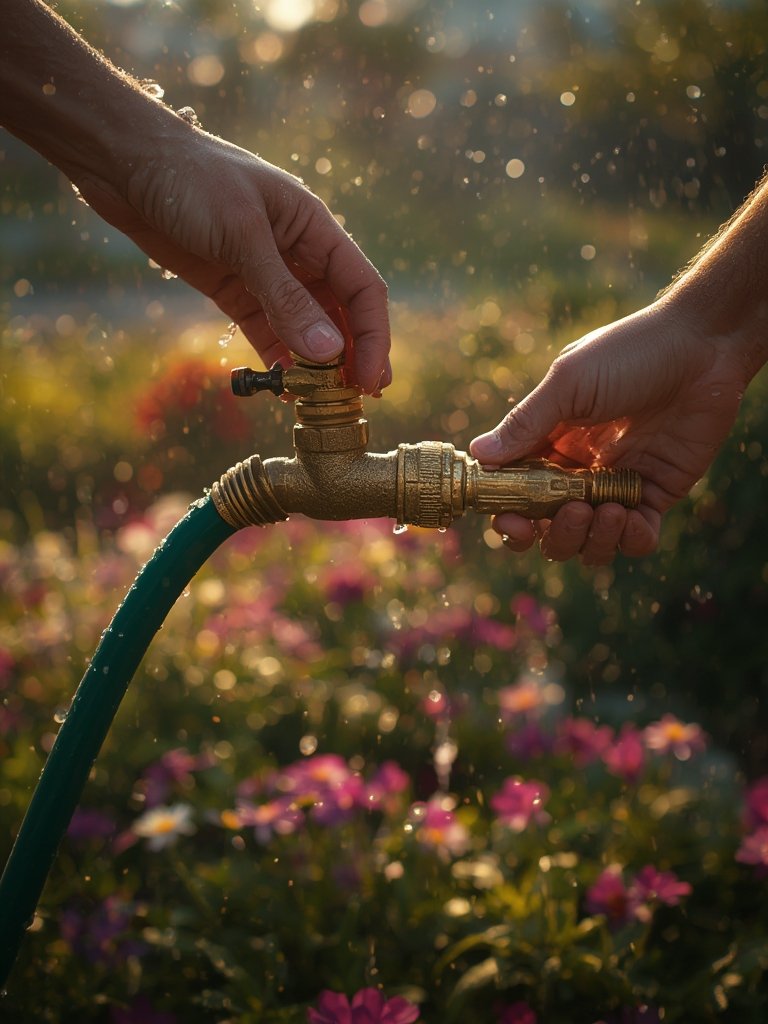
Inspect the connector quality:
- Solid brass connectors last the longest and are less prone to stripping or bending than plastic.
- Crush-resistant couplings add peace of mind if you have children or pets trampling the hose.
-
Check Warranty and Return Policy:
- Surprisingly, major brands do not widely publish hose warranty information or return timelines—but longer and more generous guarantees are a sure sign of confidence in durability.
- Keep your receipt and register your hose if possible, as this makes returns easier if a defect develops within months.
-
Test for Leaks Immediately:
- Hook up the hose, add a nozzle, and run water for a few minutes. Check for leaks at both ends and kinking along its length.
-
Maintain After Use:
- Drain after each use, coil loosely, and store away from direct sun—essential for vinyl and hybrid hoses.
If you’re rethinking your overall patio or garden layout, our home improvement guide can help optimize the setup for better hose access, tool storage, and space usage.
Advanced Analysis & Common Pitfalls with 25′ Hoses
Even well-designed 25′ garden hoses come with tradeoffs. Here’s what the latest research says—and where users face recurring issues:
Realistic Problems to Expect
- Kinking and Flattening: Cheaper vinyl hoses often kink if coiled too tightly; rubber improves here, but adds weight.
- Connector Failures: Bargain models may use plastic threads that quickly crack, strip, or leak. Upgrade to brass if budget allows.
- Lack of Published Specs: PSI or UV-resistance ratings are usually absent for 25-foot hoses, so practical comparison is tough except by hands-on experience.
- Cold Weather Flexibility: Medium-duty hoses with vinyl covers resist cold better, while pure vinyl often stiffens and cracks with winter use. Hybrids excel in compactness but may sacrifice longevity.
- Price/Quality Uncertainty: As no high-quality pricing benchmarks or warranty data are widely published (market research), carefully check for return policies and reviews before purchasing.
Material Comparison Table
| Material | Flexibility in Cold | Weight | Kink Resistance | Longevity | Compactness |
|---|---|---|---|---|---|
| Rubber | Good | Heavy | Excellent | Long | Poor |
| Vinyl | Fair to Good (if weather-resistant) | Light | Moderate | Medium | Average |
| Hybrid/Expandable | Excellent | Very Light | High (when filled) | Short to Medium | Excellent |
While real-world testing of 25-foot hoses is limited, the rise of compact, flexible designs shows a demand for lightweight handling and easy storage. Conventional hoses, however, remain the go-to for durability in regular yard chores (see market analysis).
Small-space gardeners often benefit most from expandable hoses, but should expect to replace them sooner than a heavy-duty rubber model. Medium-duty hoses also offer a solid balance for versatility—like those used in top turf lawn care routines.
Conclusion
A 25′ garden hose remains the right answer for gardeners or homeowners looking for compact, simple watering solutions. Always weigh the pros and cons of different materials, focus on connector quality, and don’t hesitate to return a hose that leaks or kinks immediately. Investing a little more in the beginning pays off in fewer headaches and time spent untangling. Ready to refresh your garden setup? Start by double-checking your hose needs, then select a model you can trust. Take your outdoor space to the next level and explore our guides on home upgrades and sustainable DIY solutions for the ultimate at-home comfort.
FAQs
What should I look for in a 25′ garden hose for patio or balcony use?
Look for kink resistance, lightweight materials, and high-quality brass connectors. Expandable or hybrid hoses work best for tight spaces and quick storage.
How do I prevent my garden hose from kinking or tangling?
Coil your hose loosely and avoid sharp bends. If possible, use a wall-mounted reel or designated holder for neat storage between uses.
Are 25-foot hoses long enough to wash a car?
Yes, if your water supply is within 20-25 feet of your car, a 25′ garden hose is ideal. For further reach, consider joining two hoses with a quality connector.
Do any brands offer special warranties for 25′ hoses?
Most brands do not publicly share detailed warranty info for this size. Always retain your proof of purchase and check the package for any warranty registration steps.
What’s the easiest way to extend the life of my garden hose?
Drain water after each use, coil loosely, store in shade, and protect from freezing temperatures if possible.
—